
Welcome to WSJewellery
Discover the art of handmade jewellery, where every piece is made with passion, precision, and personal meaning.
From custom designs to restorations and repairs, I create jewellery that reflects your story and connects to your heart. With a lifelong love for fine jewellery, I bring creativity and care to every detail — ensuring each creation is as unique as the person who wears it.
Let us bring your vision to life — one beautiful piece at a time.
About Me
I am a passionate jeweller based in Ballarat, Victoria, Australia. My love for jewellery began early and grew into a lifelong commitment to creating meaningful, handmade pieces.
Each design is handmade with care, creativity, and personal connection — whether it’s a custom creation, a restoration, or a repair. I believe jewellery should reflect your story and speak to your heart.
Let us create something beautiful together.
~
For those enquiring re qualifications ...
Certificate II in Jewellery Engineering
Certificate III in Jewellery Manufacture (Non-Apprenticeship stream)
Diploma of Jewellery and Object Design
Services
I offer a range of services from repairs, restorations, redesign, polishing to creative `Custom` or `Bespoke` designs.
~
Repairs … Restore (something damaged, faulty, or worn) to a good condition.
Restorations … Bring back or re-establish previous design & condition.
Redesign … Design (something) again in a different similar way.
Remodel … Shape (a figure or object) differently.
Remake … Make (something) again in a different similar way.
Custom … Using a mass-produced style of jewellery and adapting its components to add a touch of personalisation to it.
Bespoke … Exclusively for you and uniquely designed from an idea that will never be repeated.
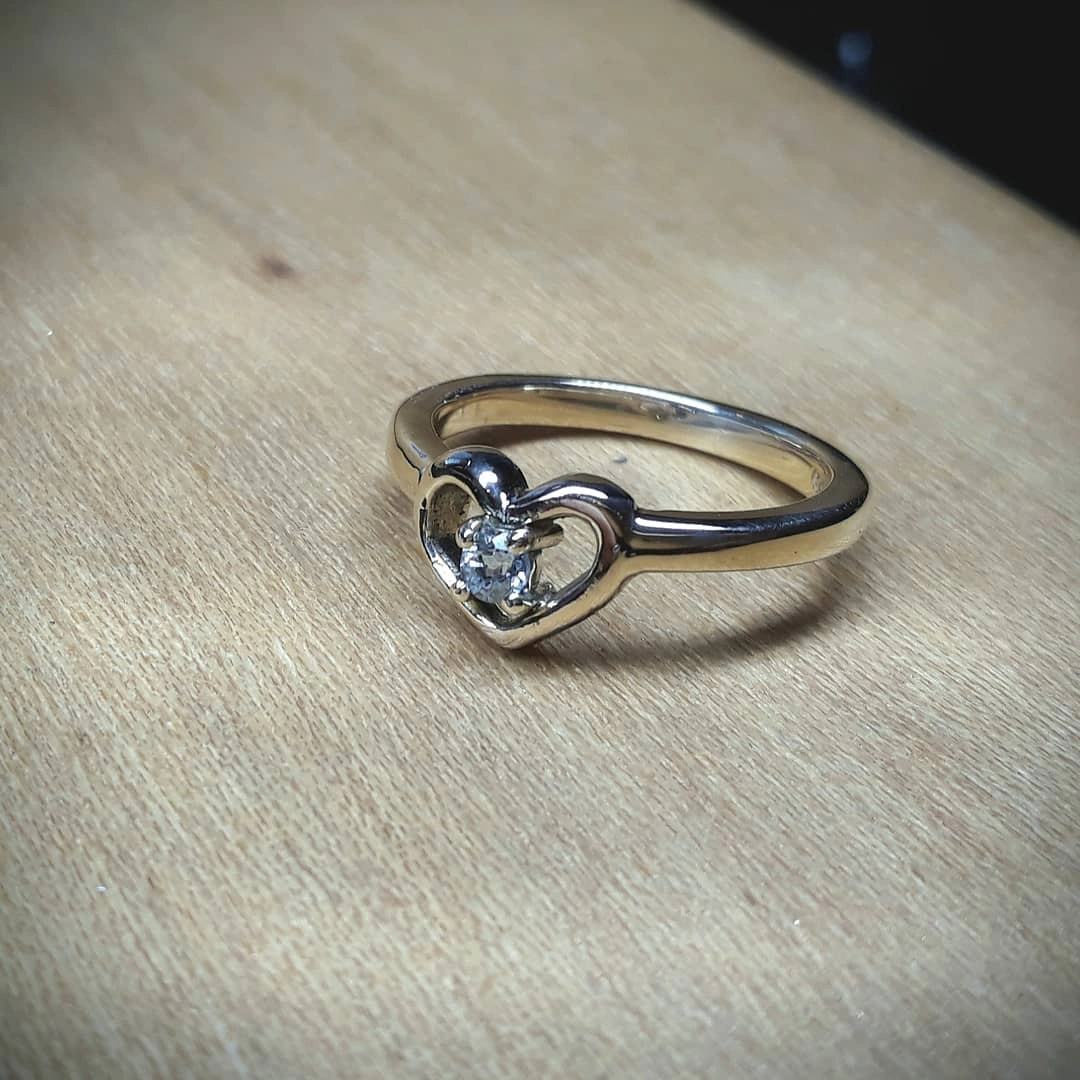
Gallery of some of my work & projects.
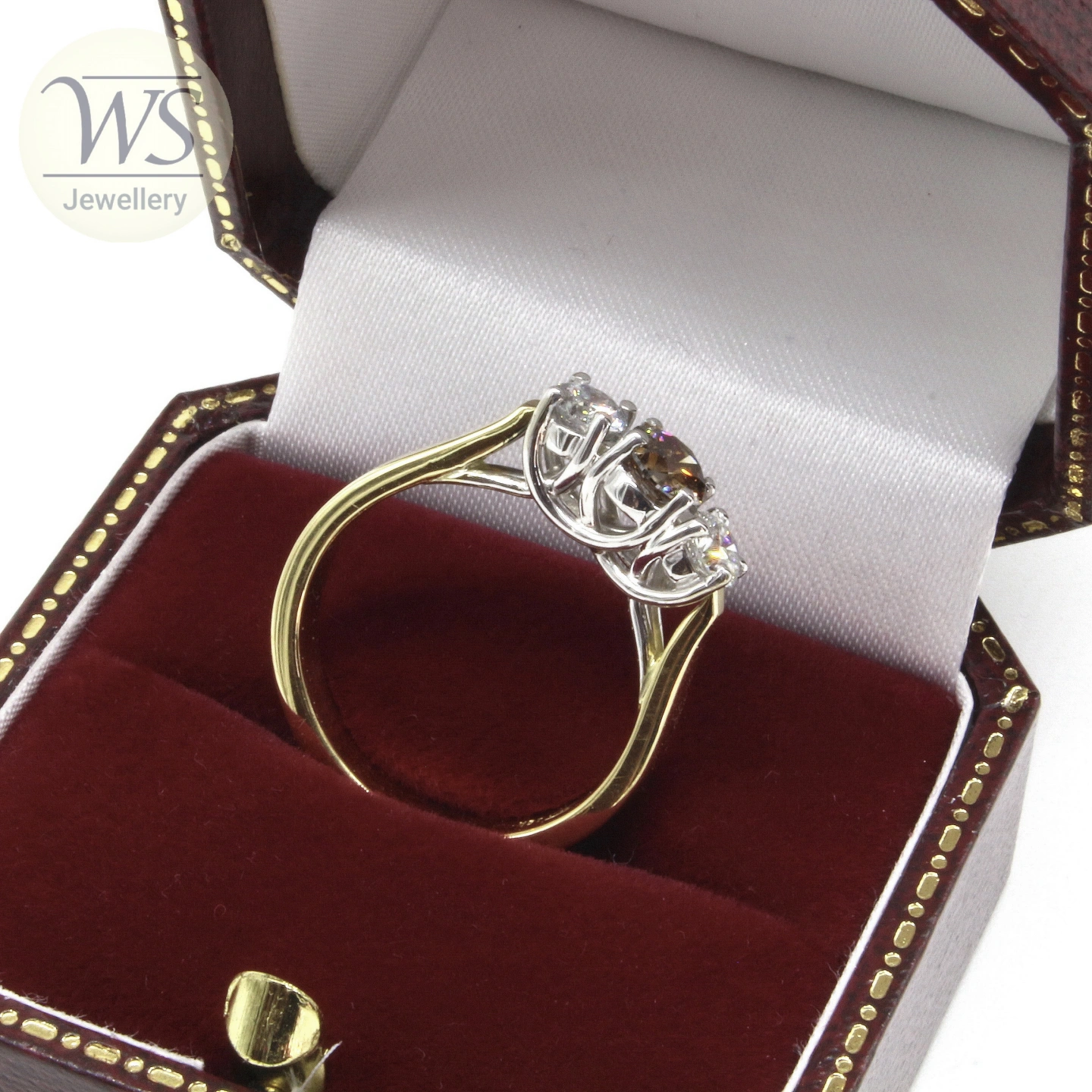
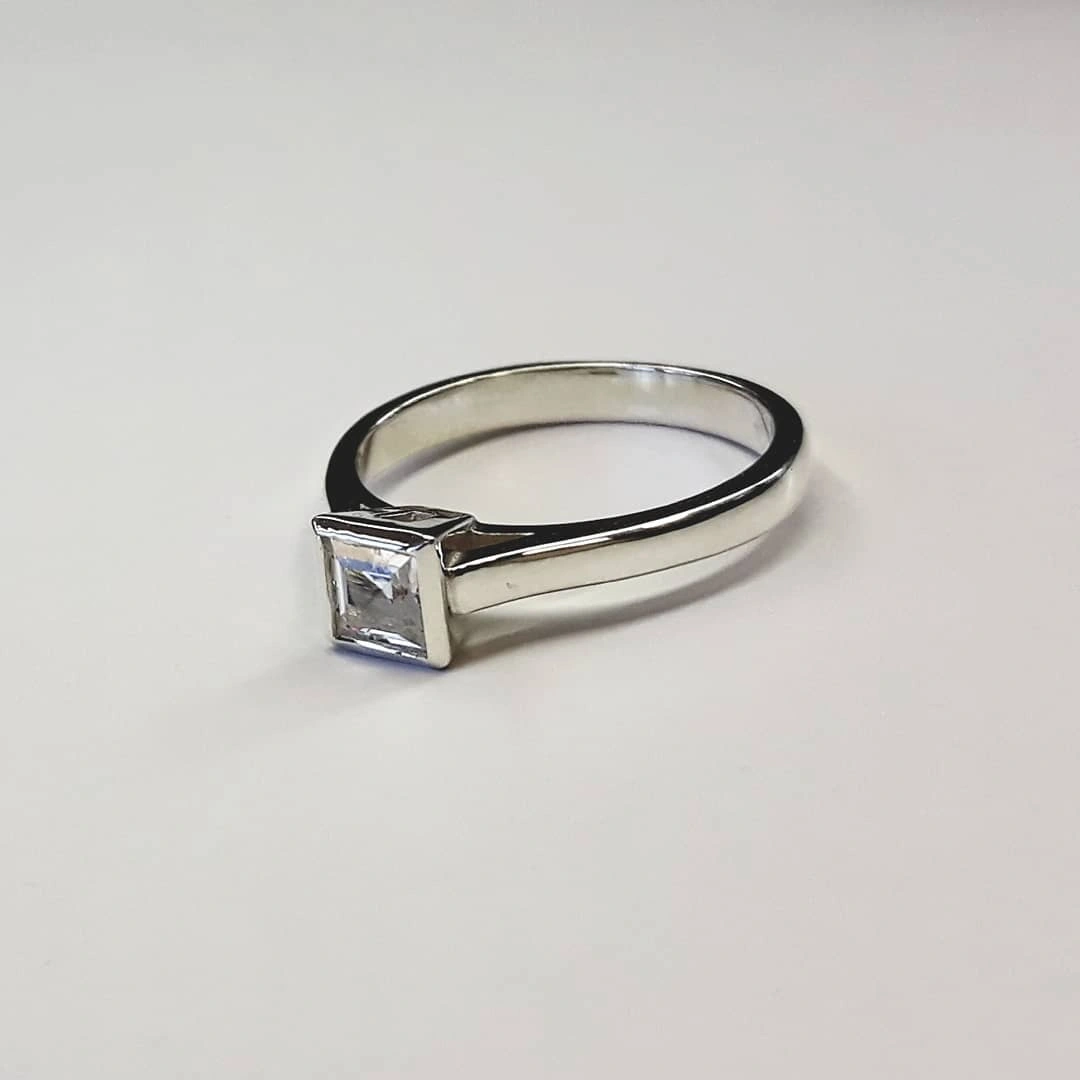
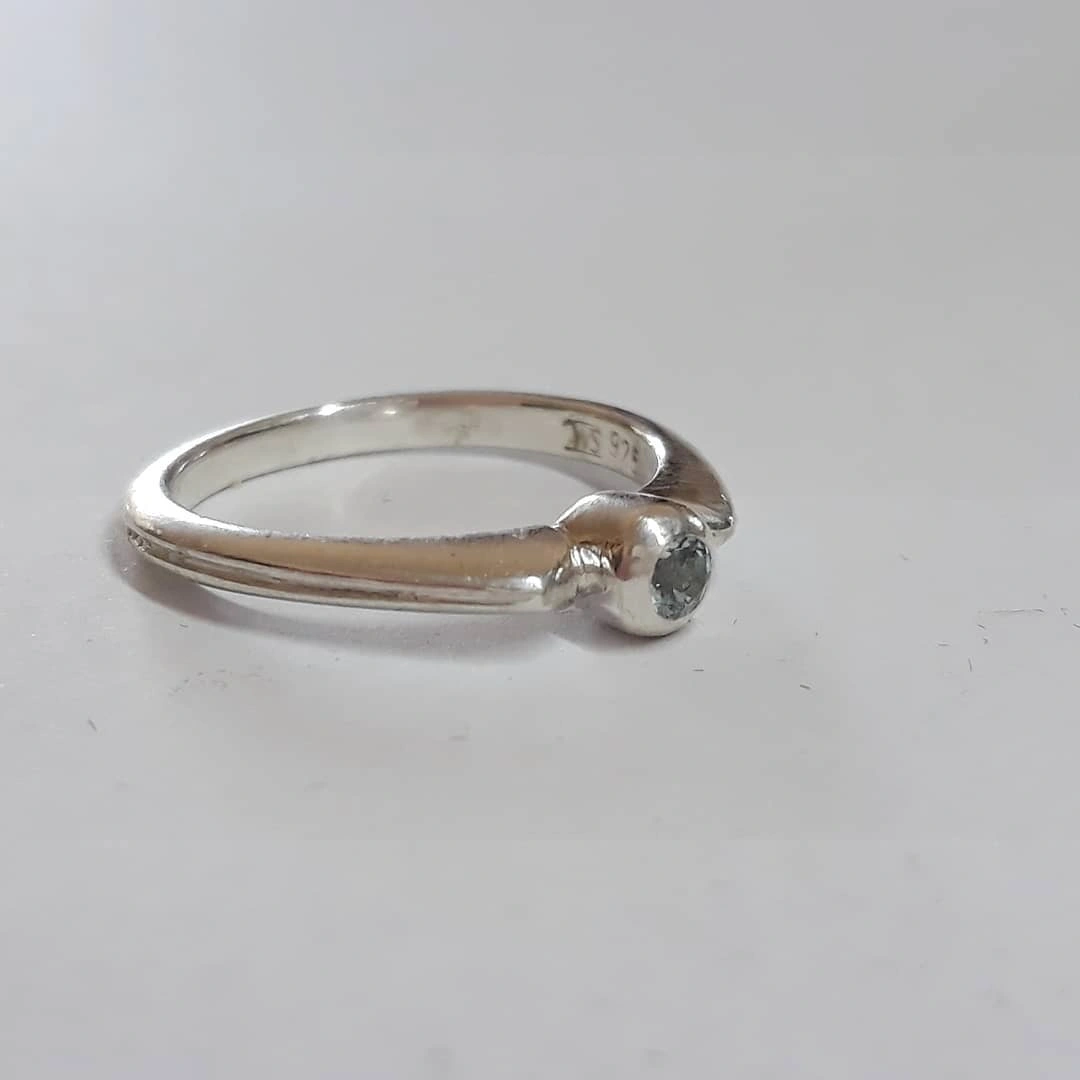
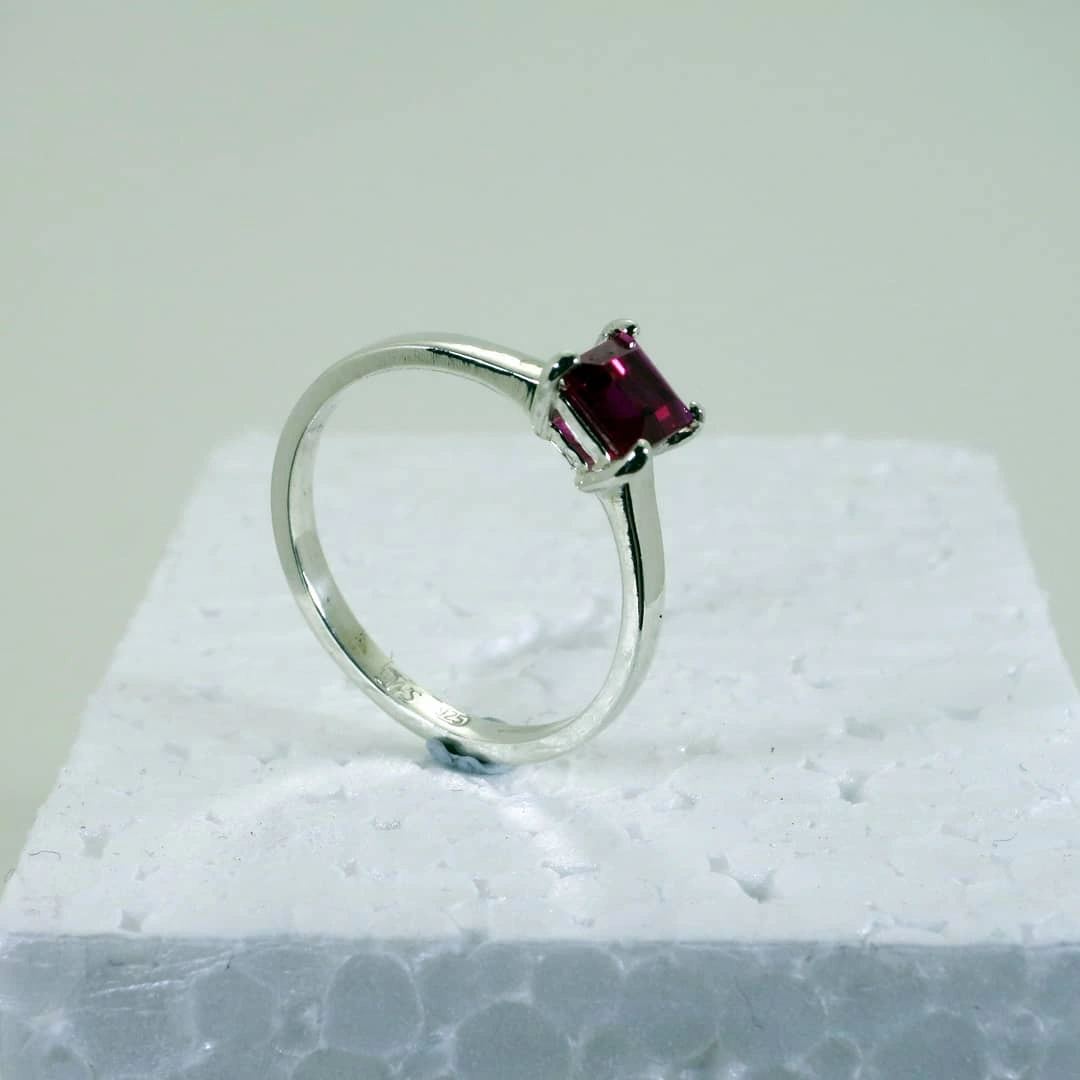
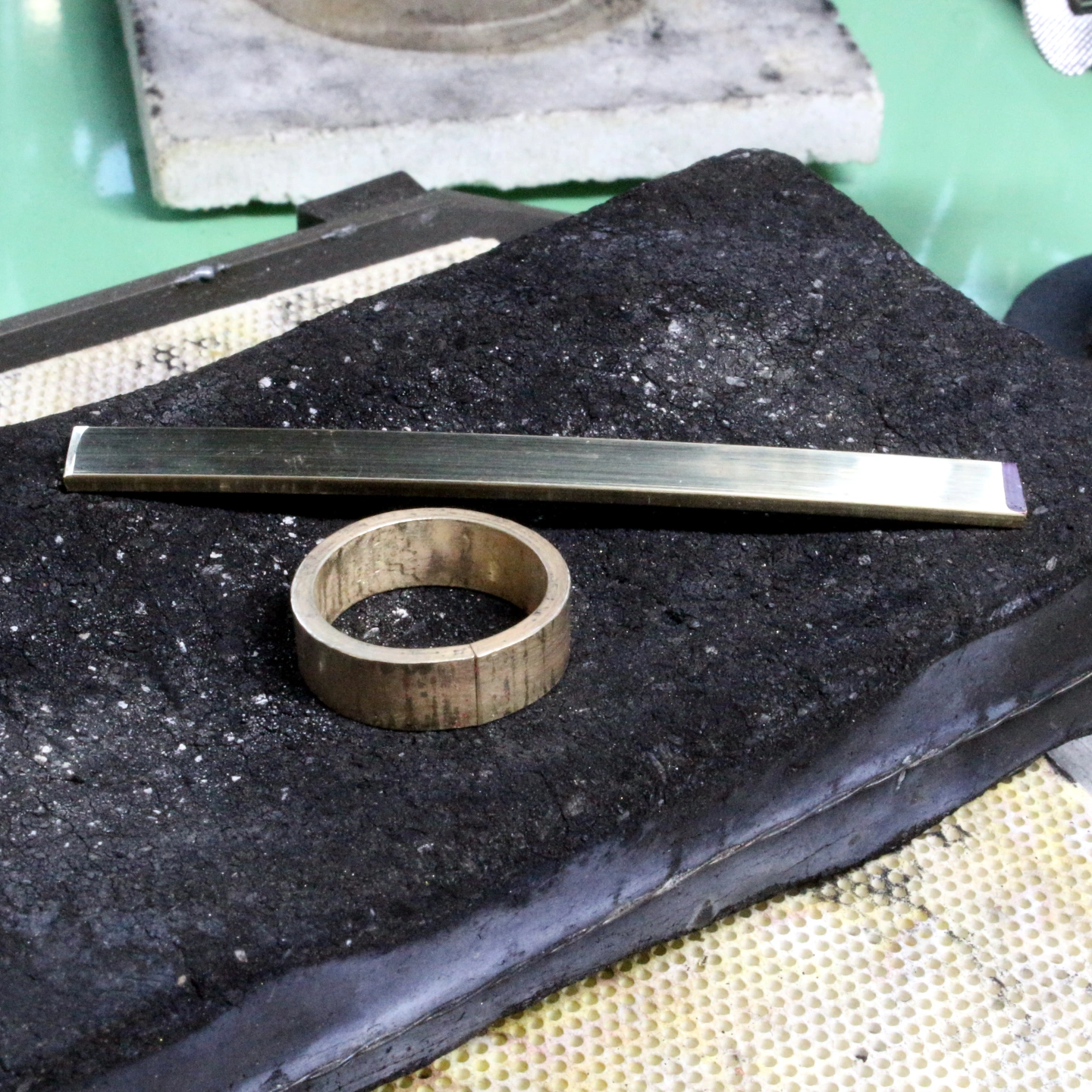
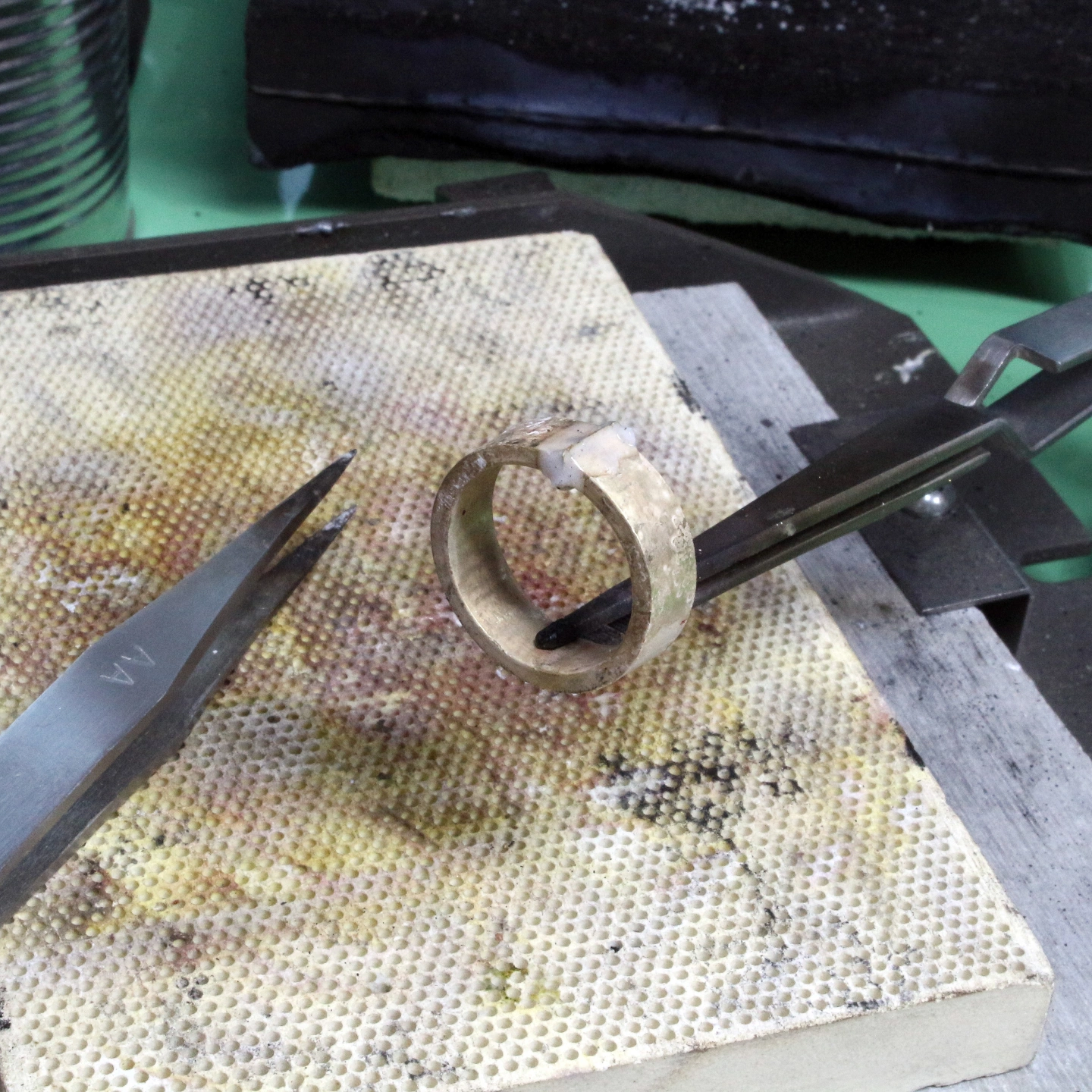
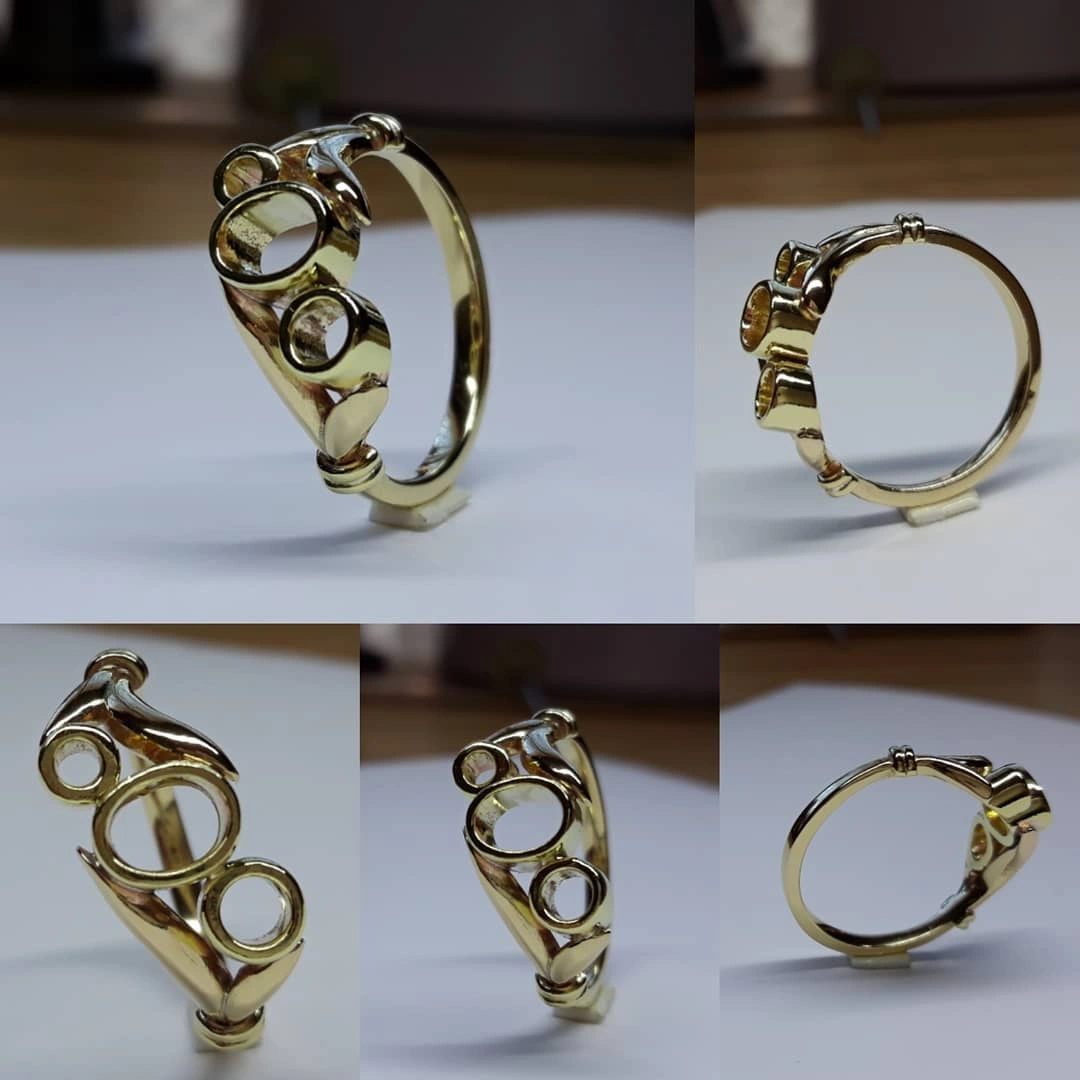
Rings


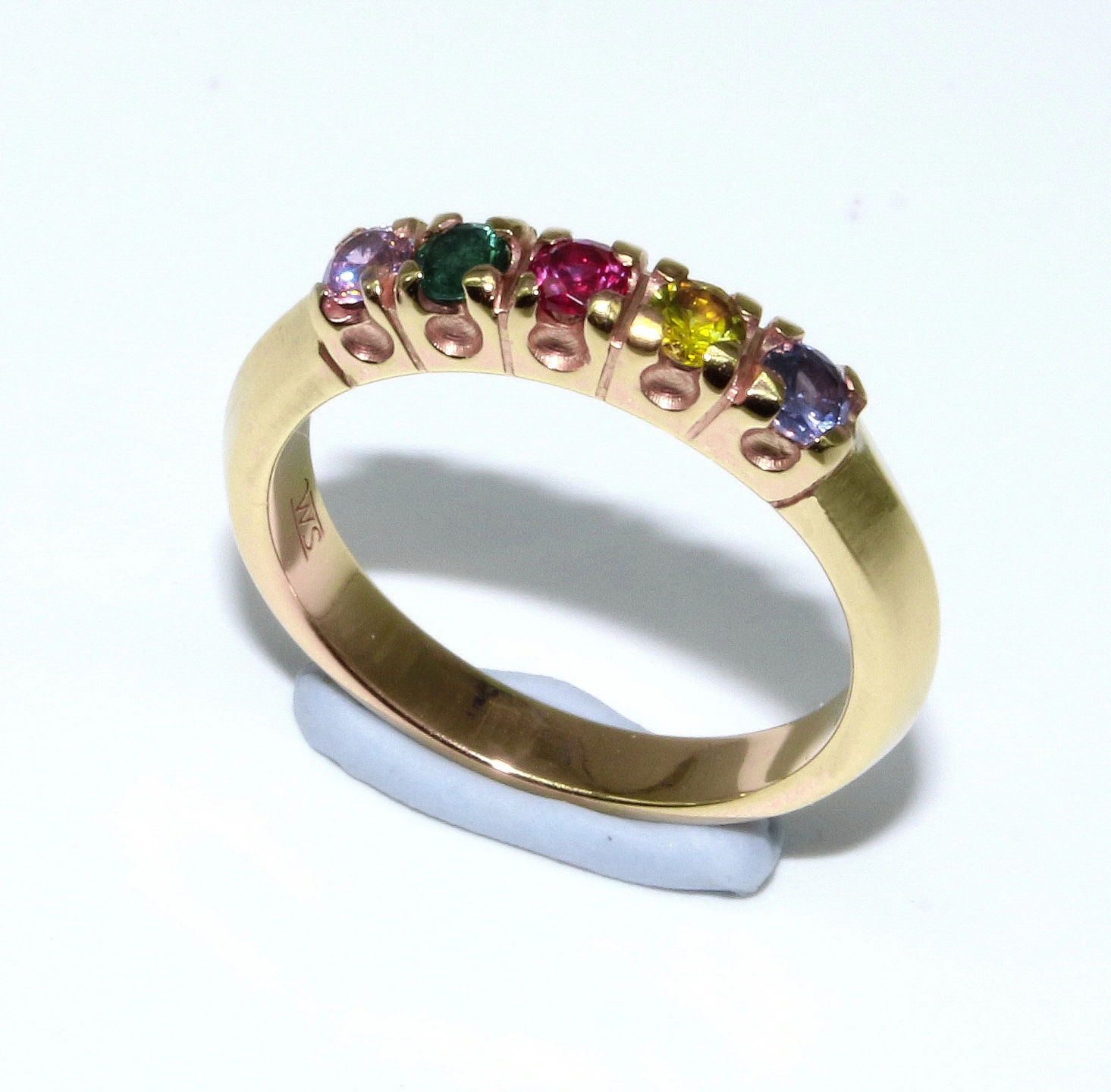
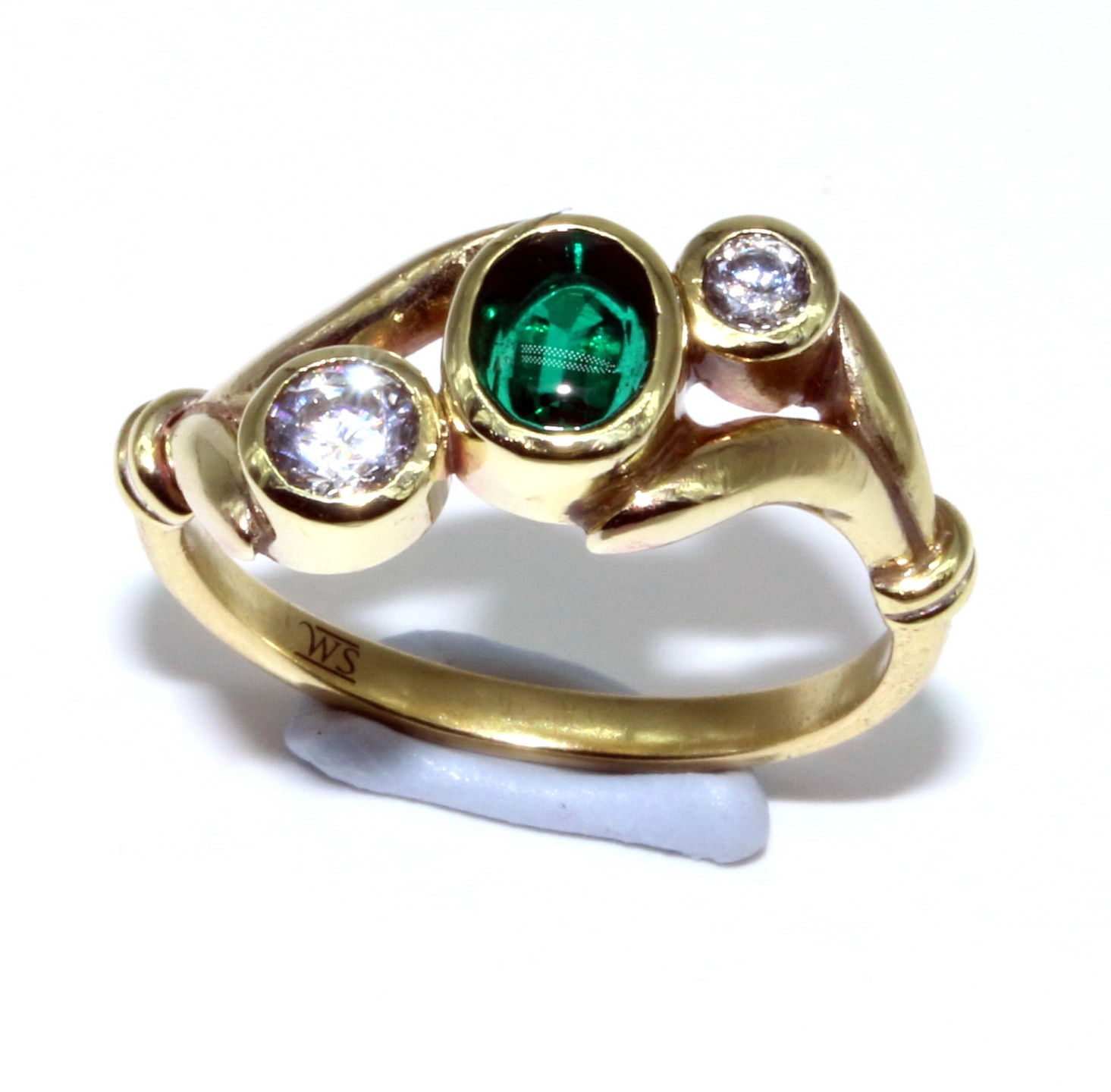





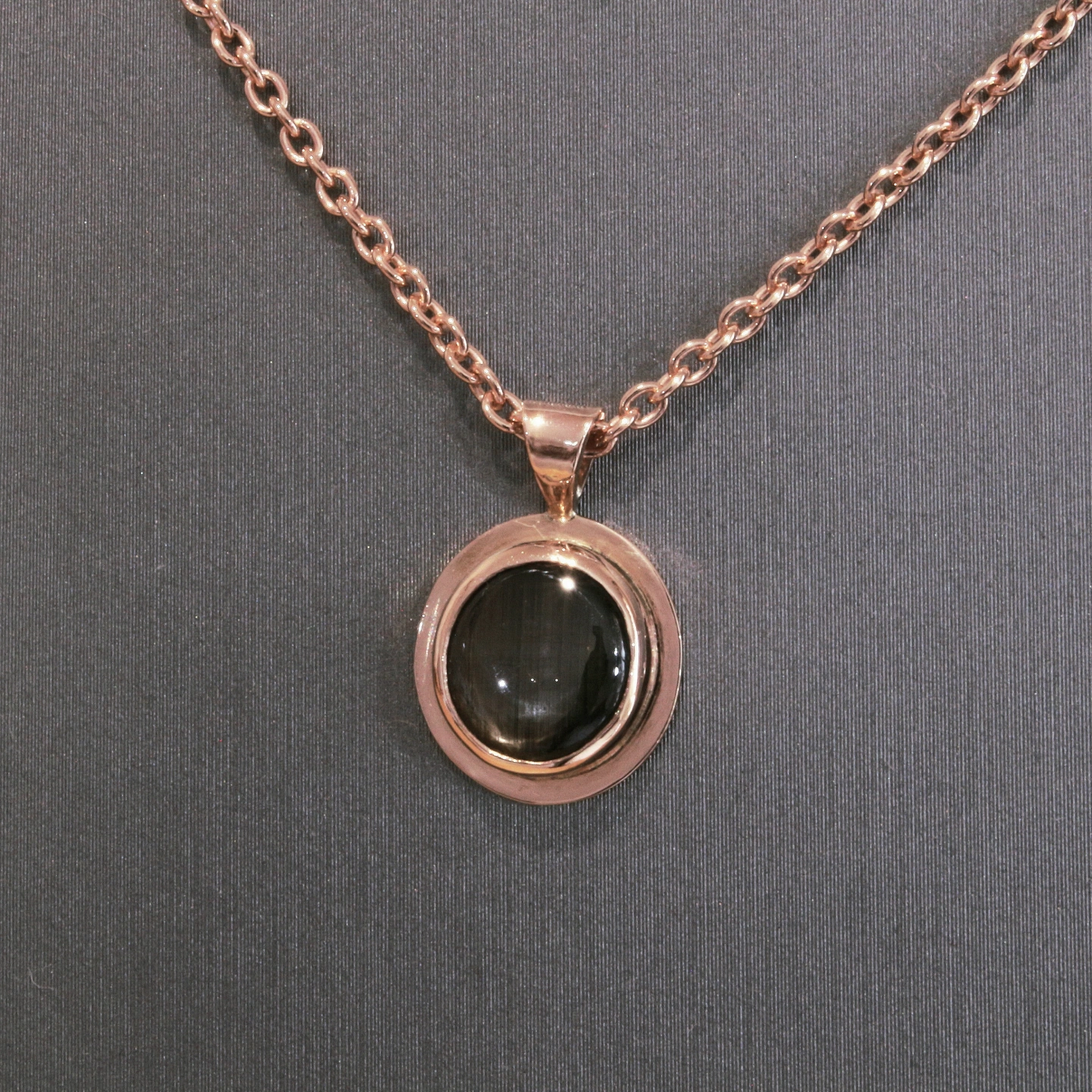
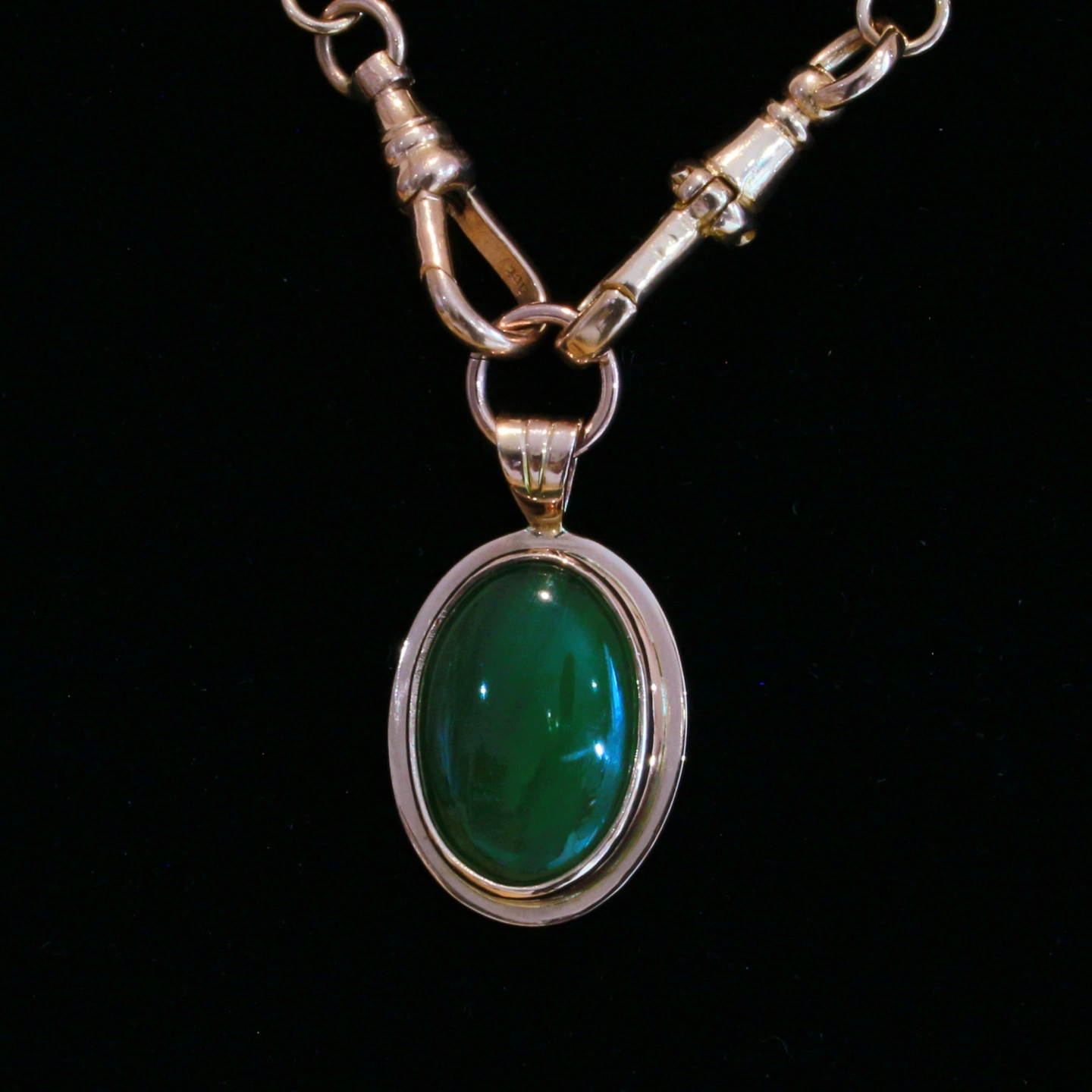
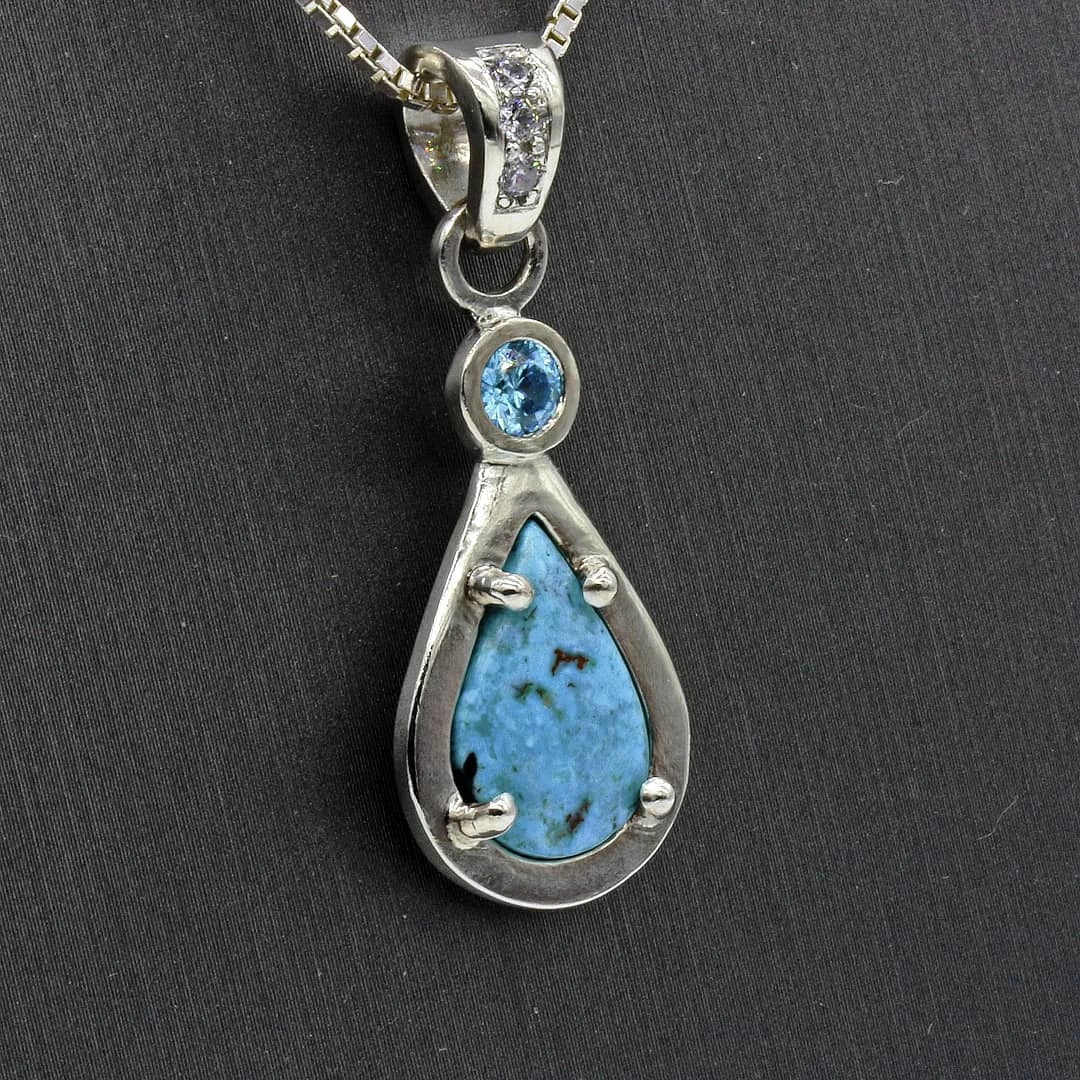
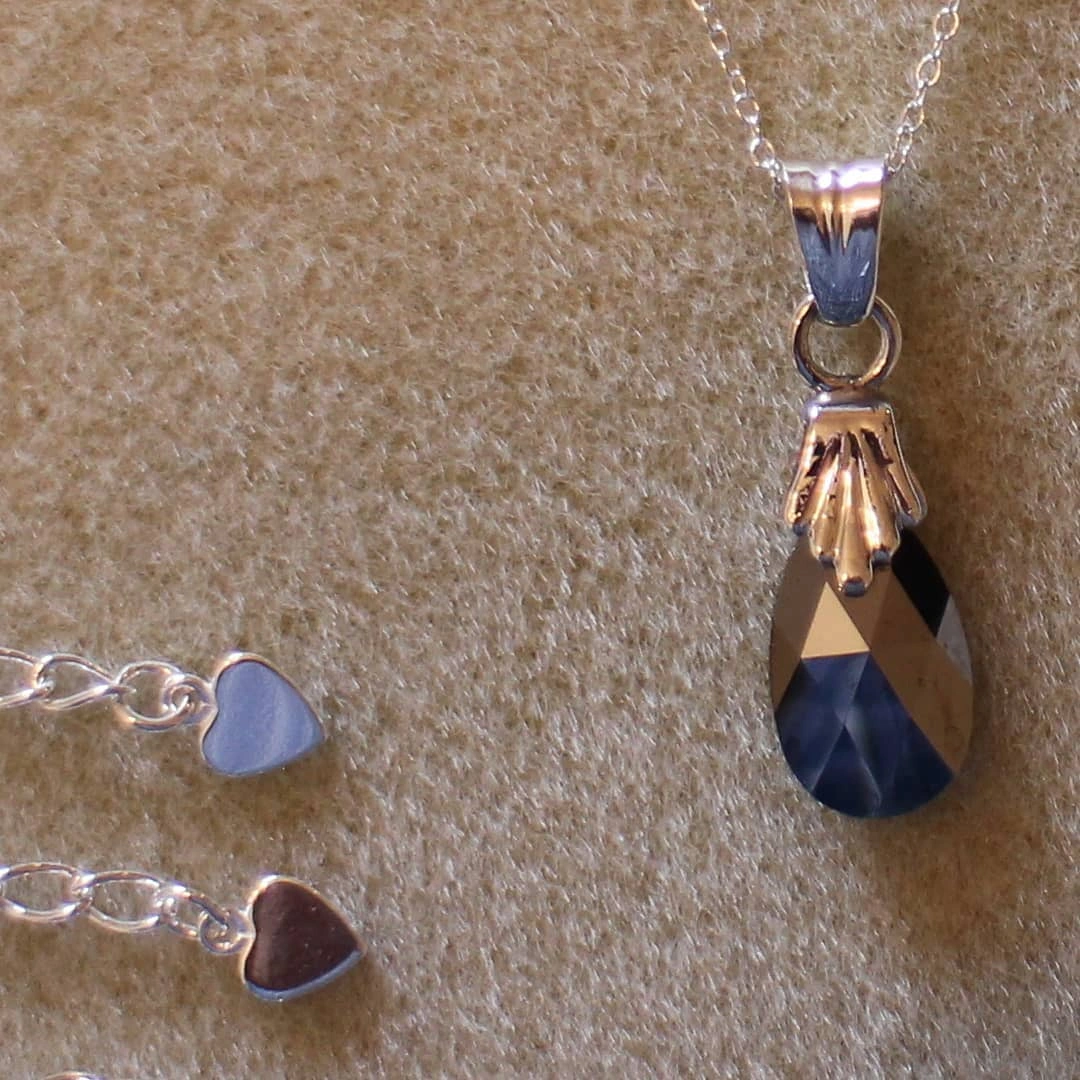
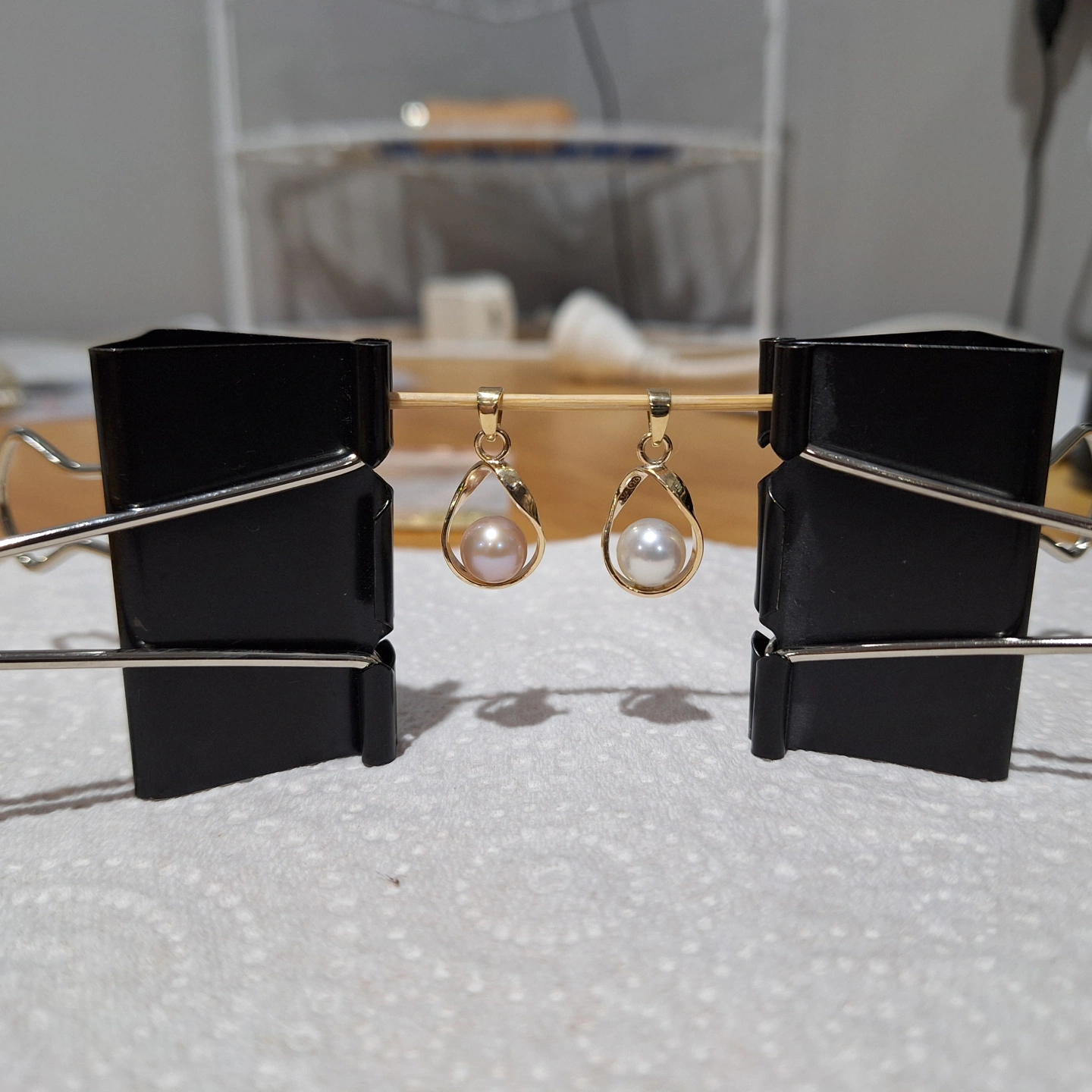
Pendants
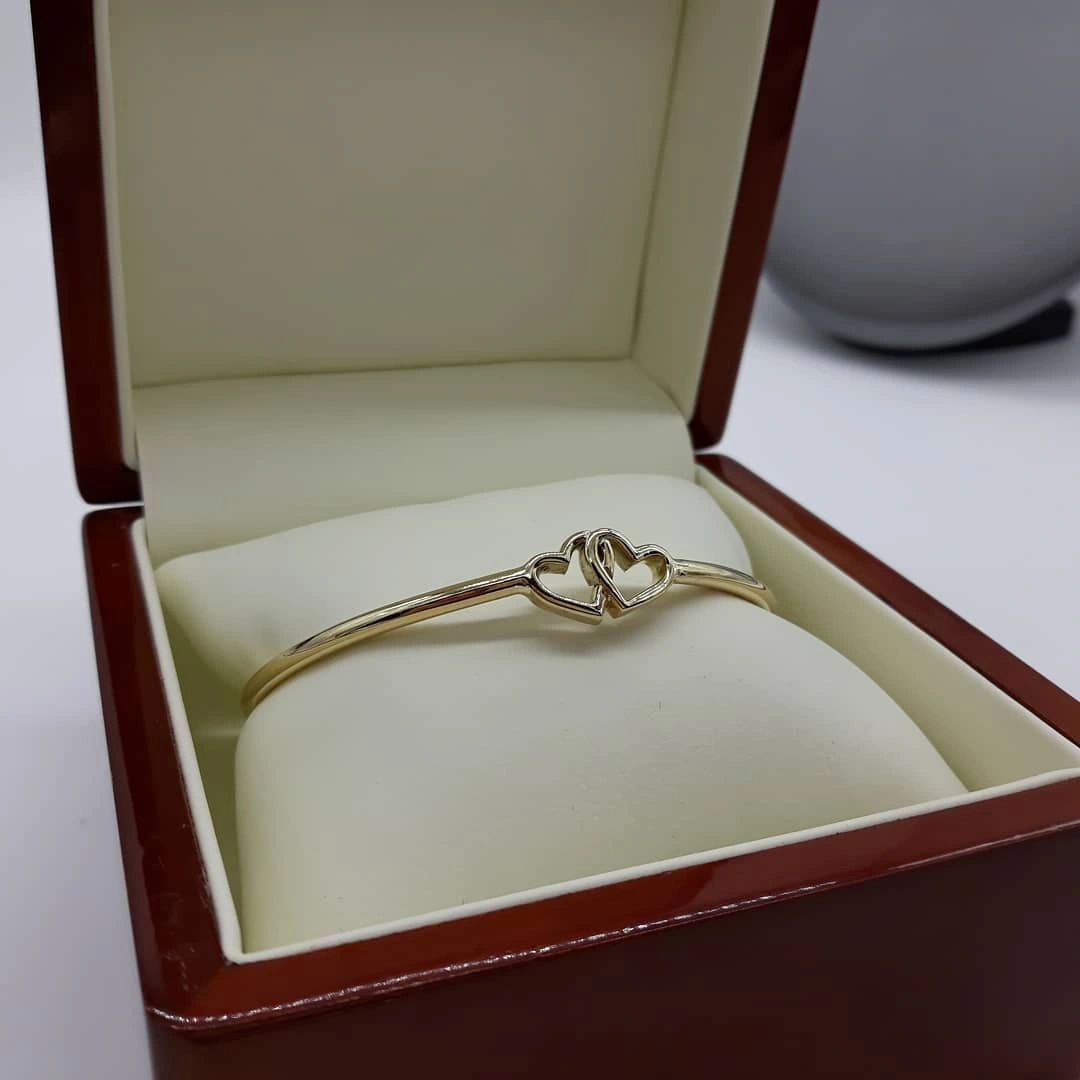
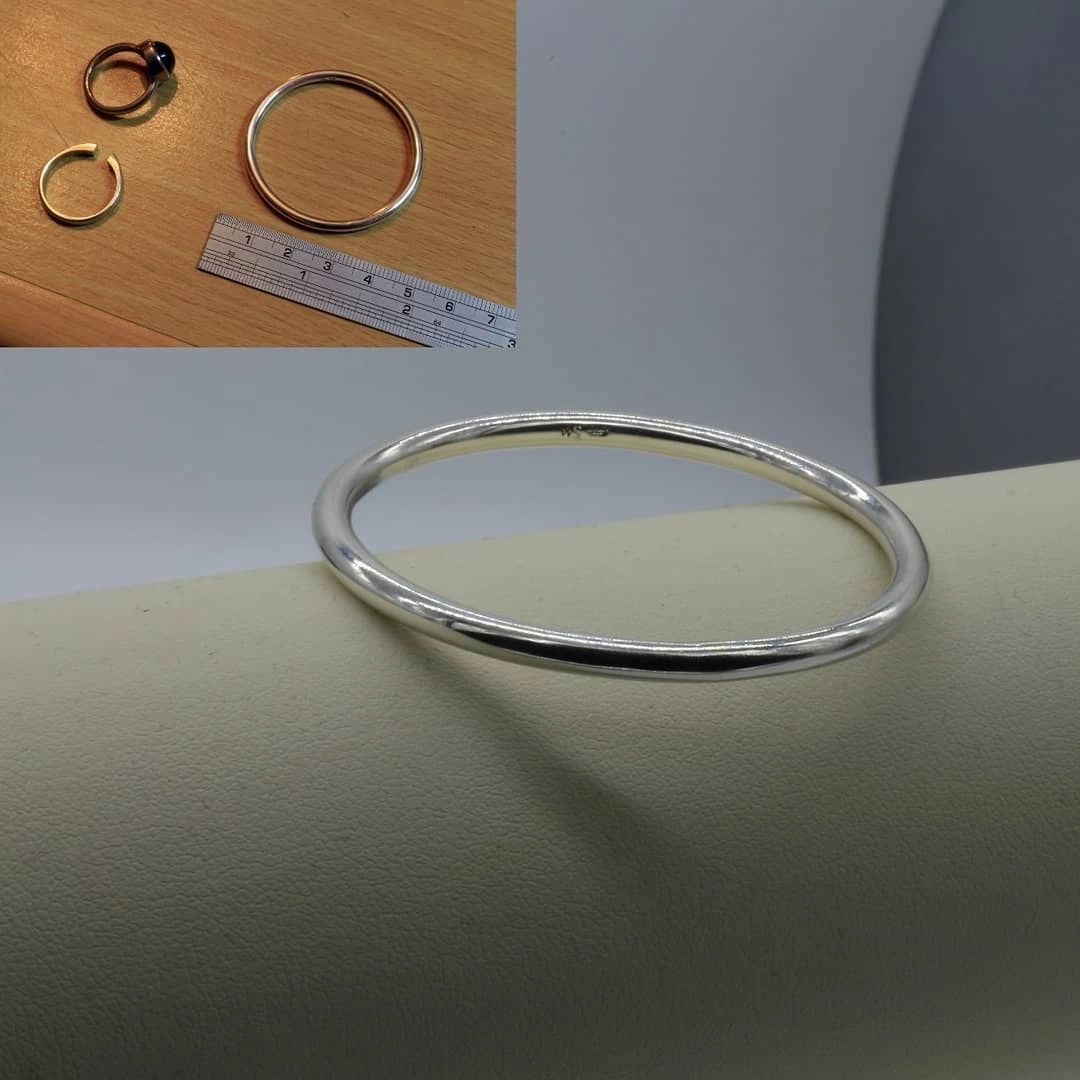
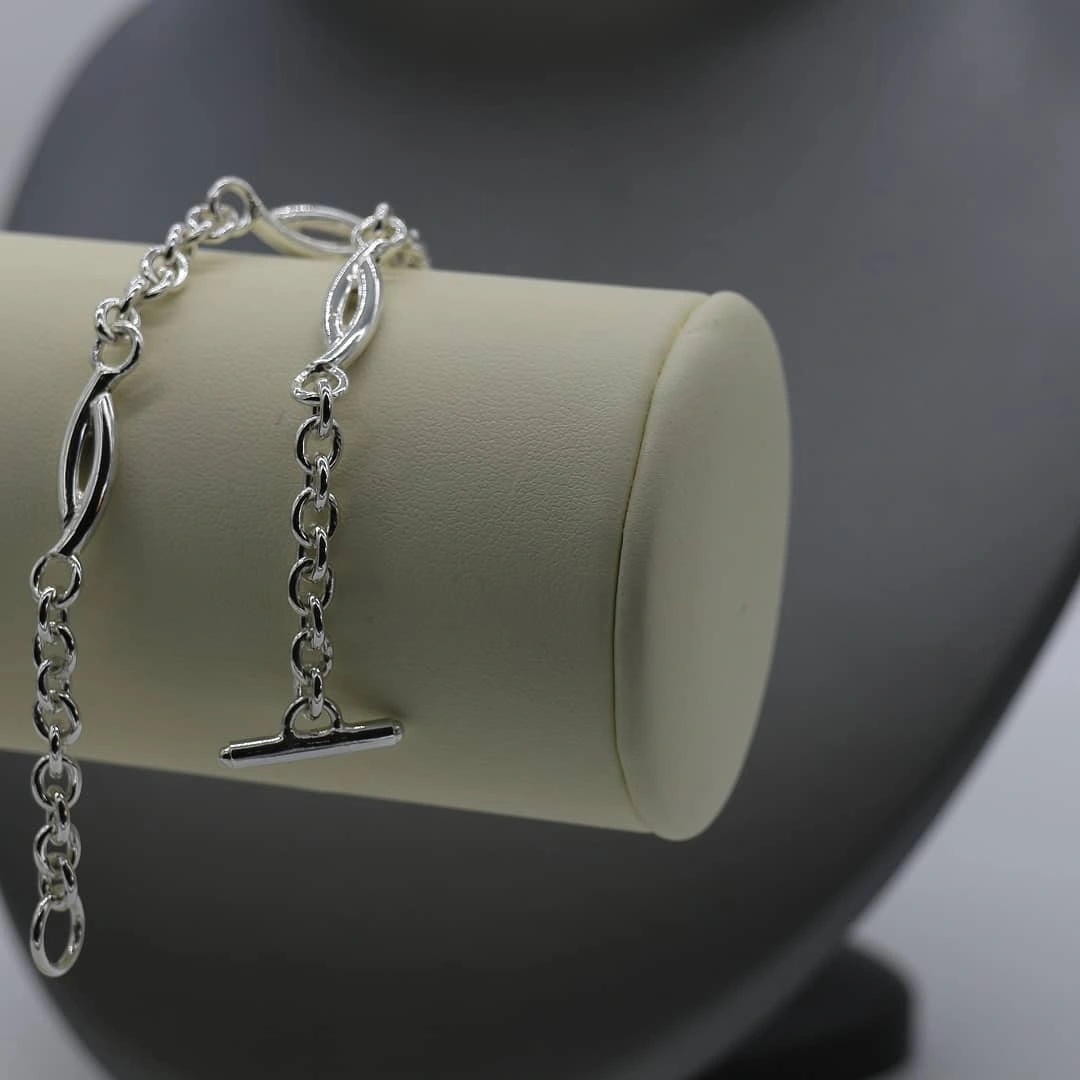
Bangles & Bracelets
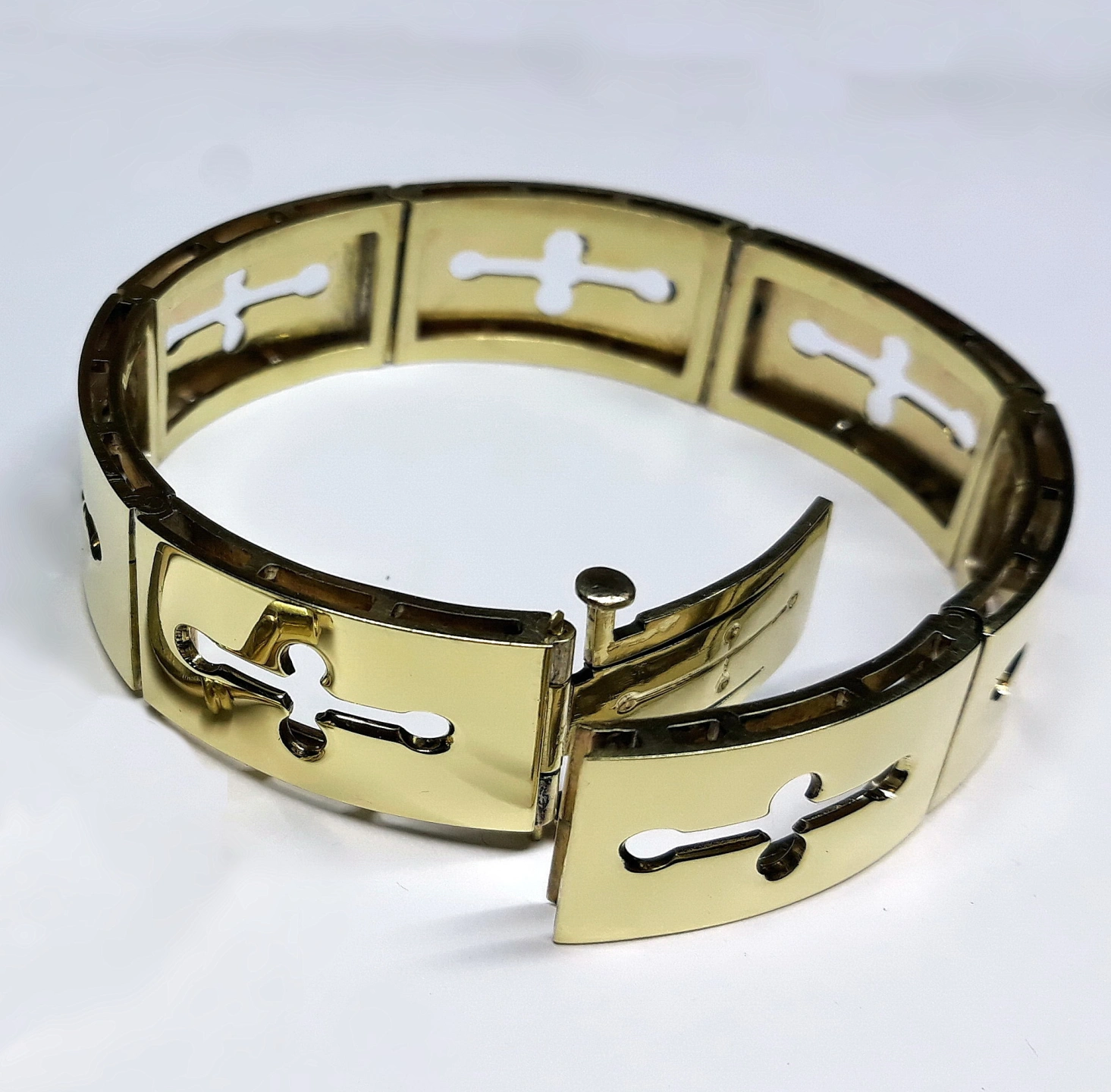
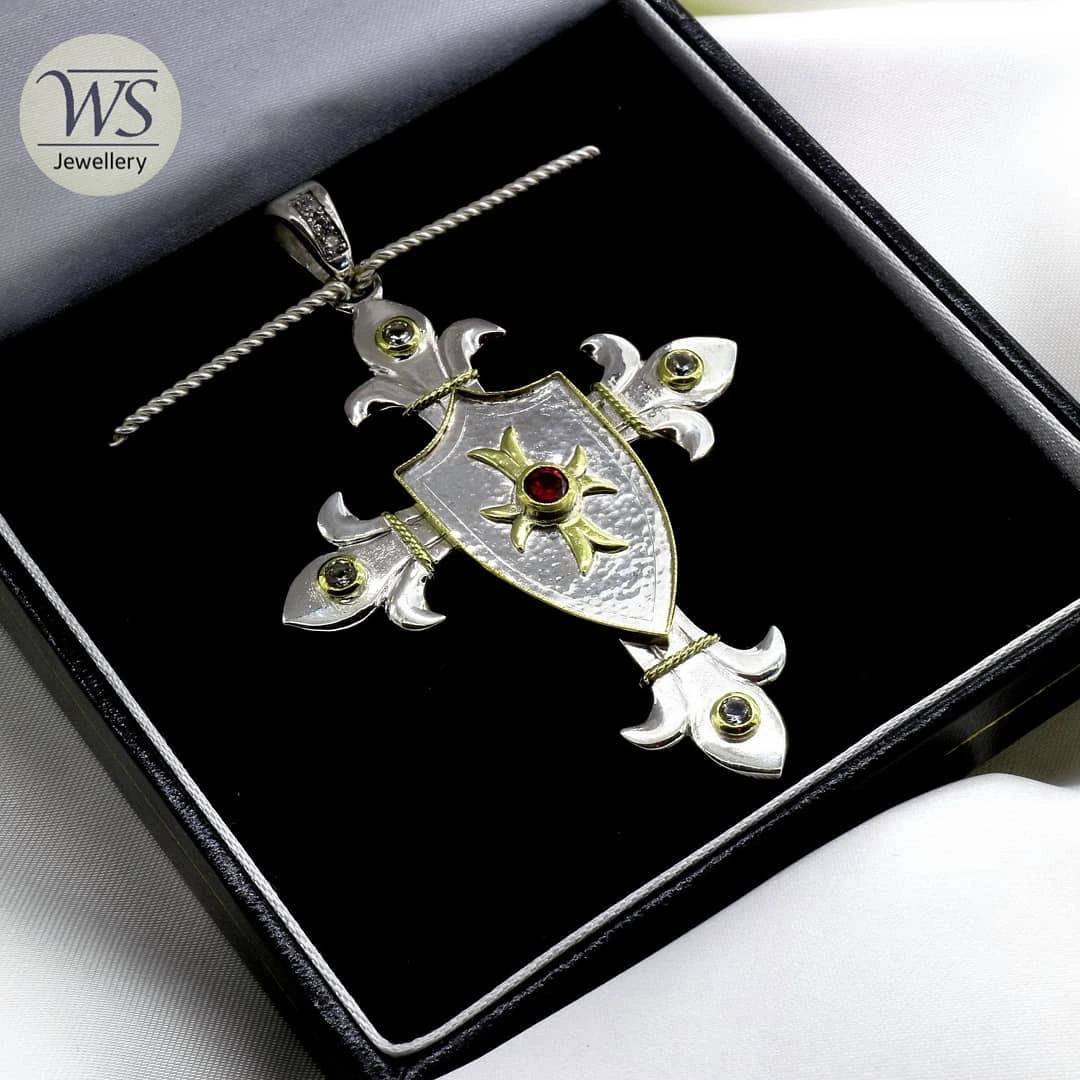
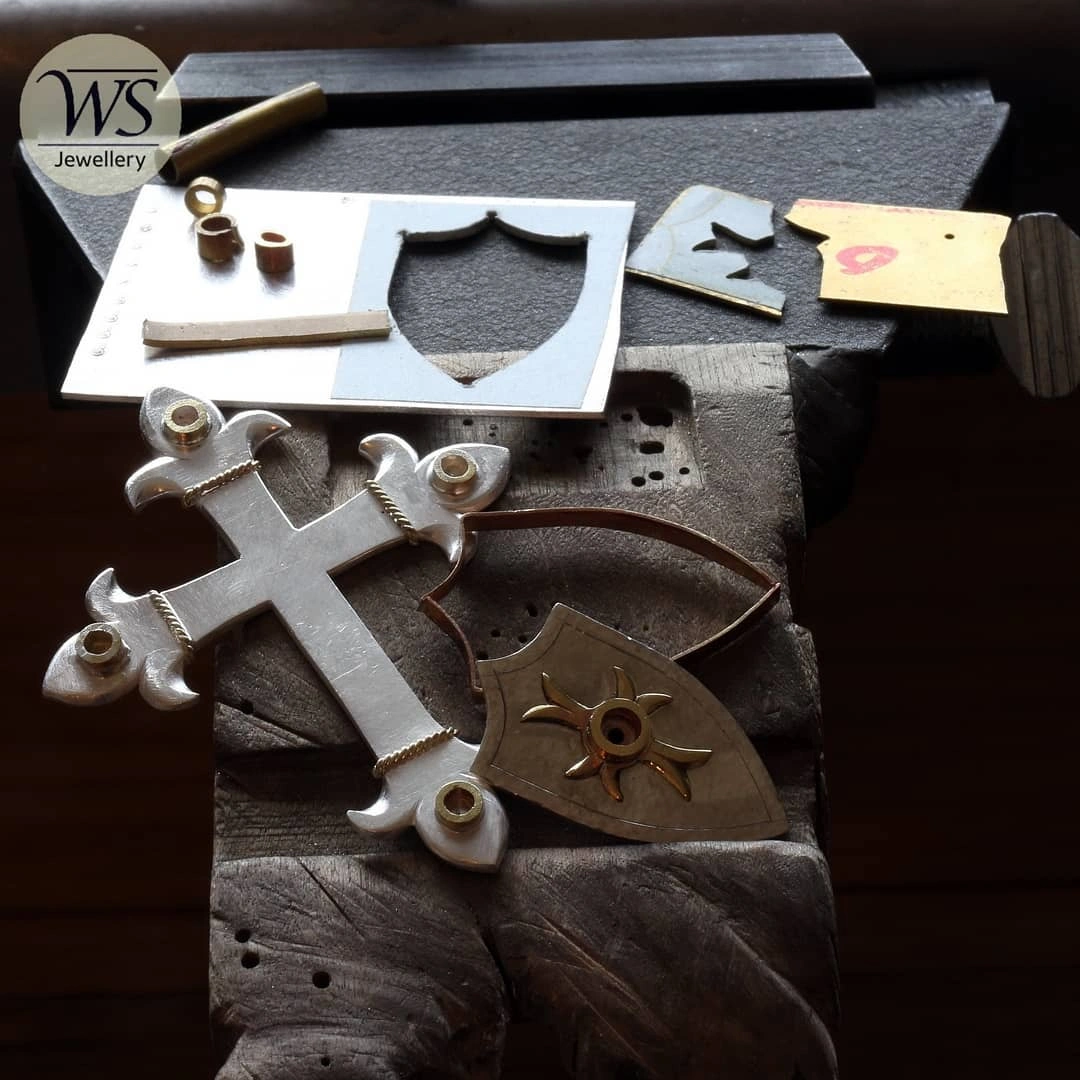
Crosses
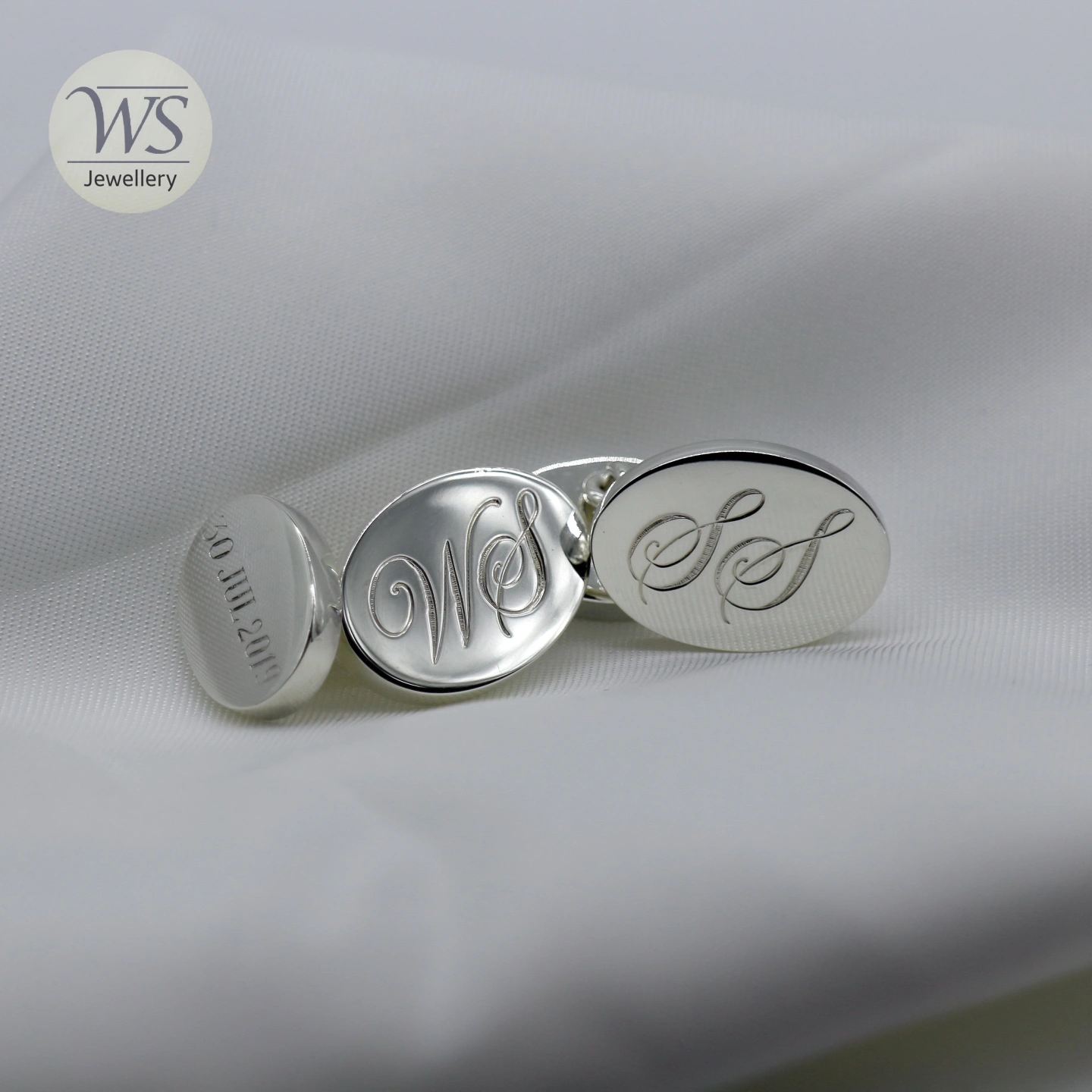
Cufflinks
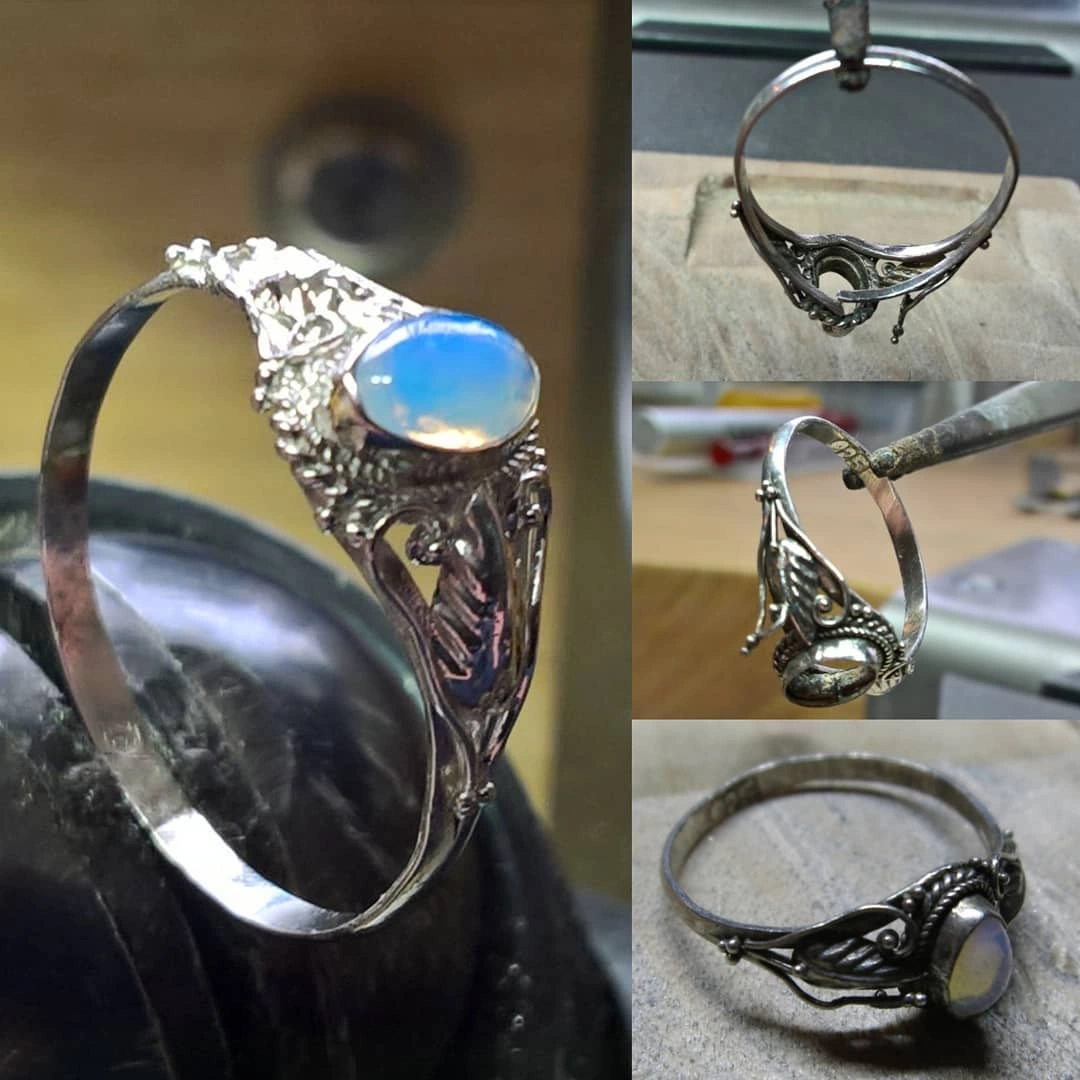
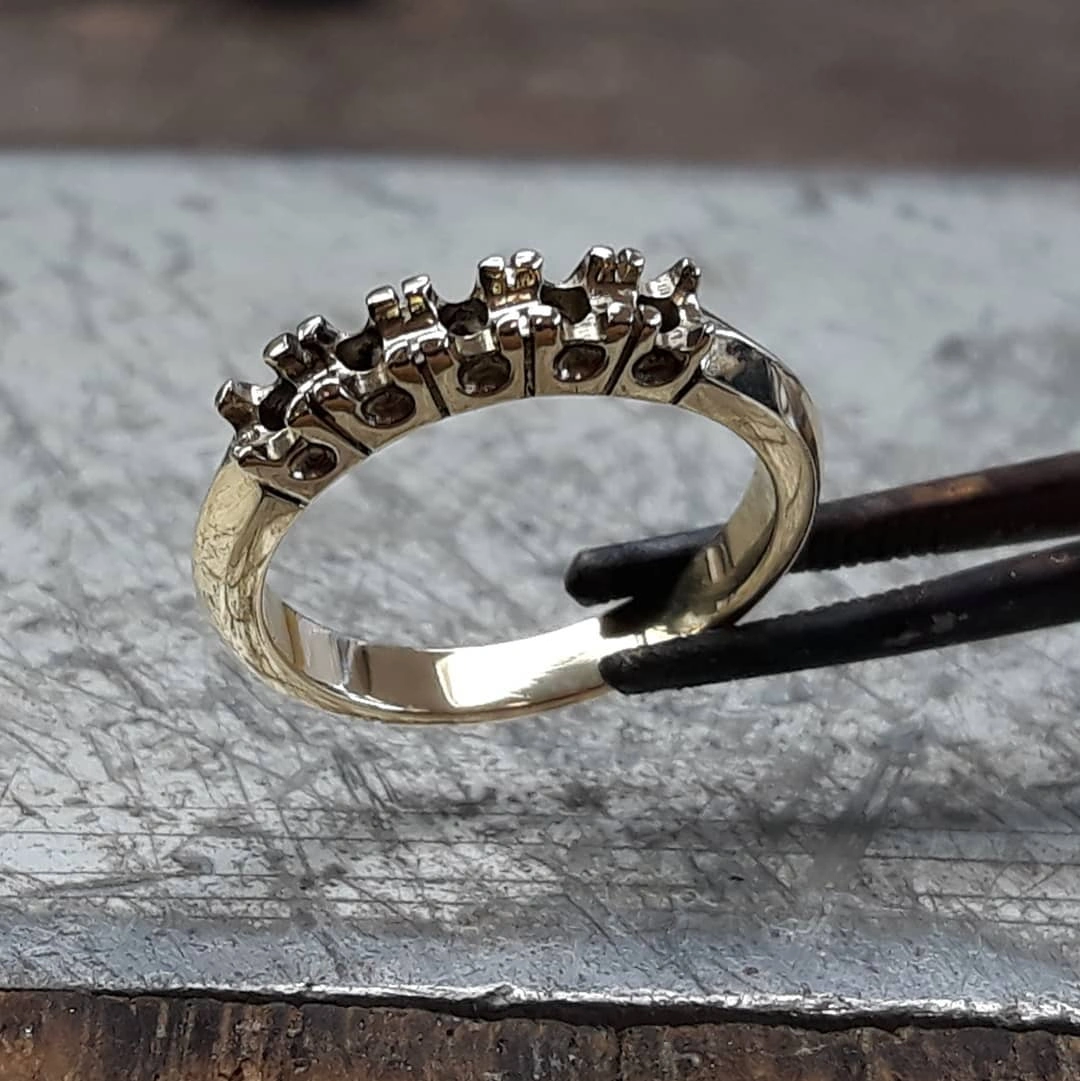
Repairs & Restorations

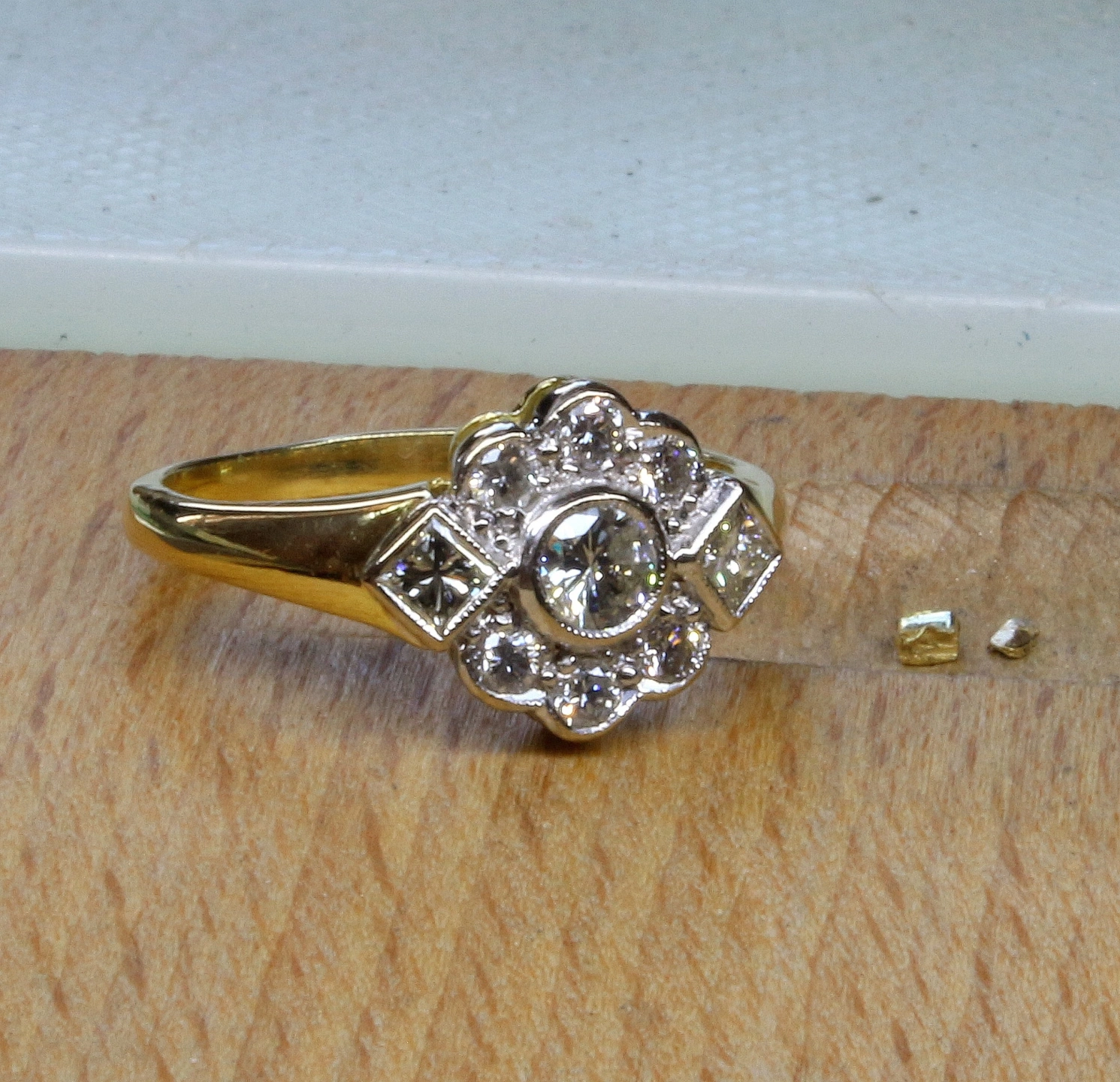
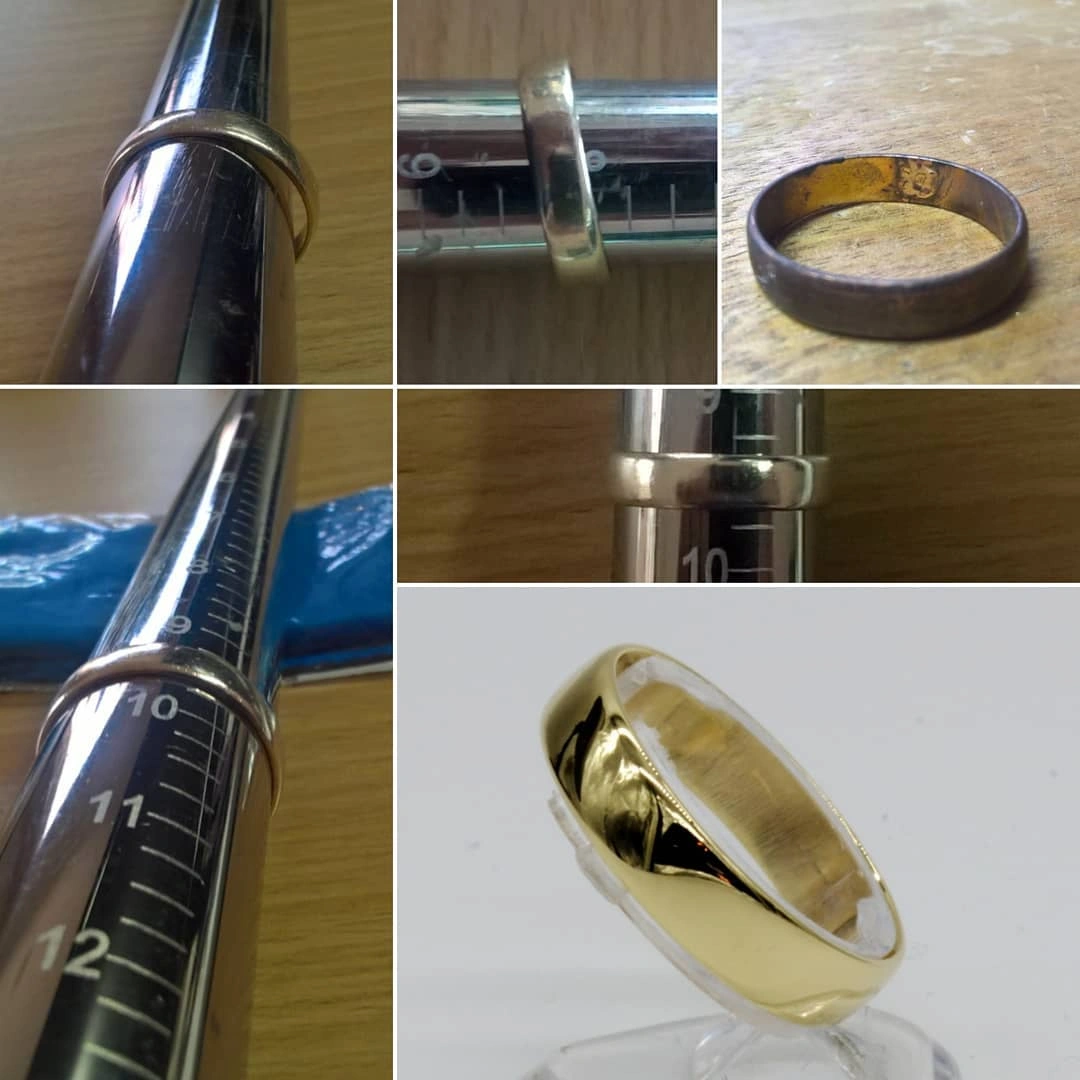
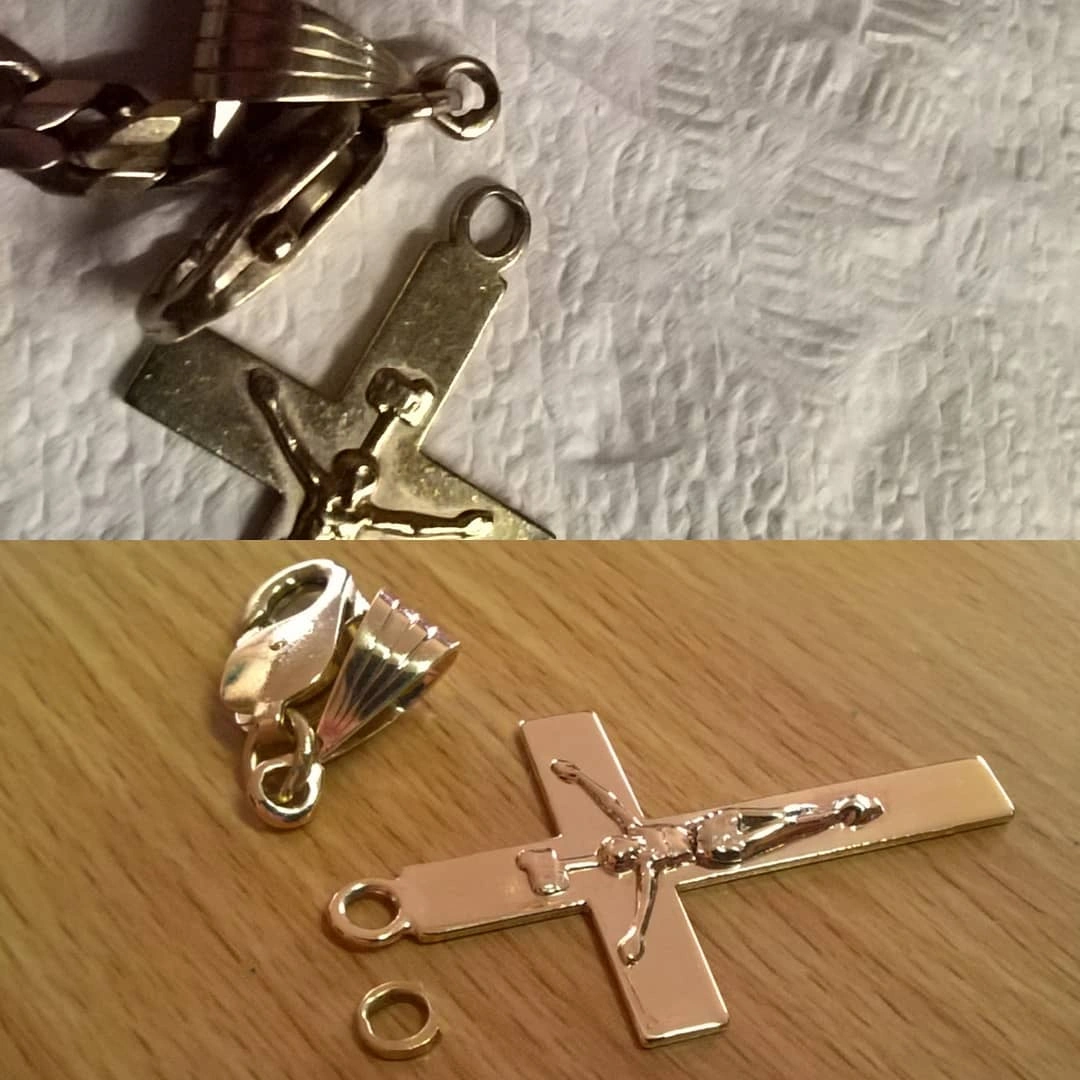
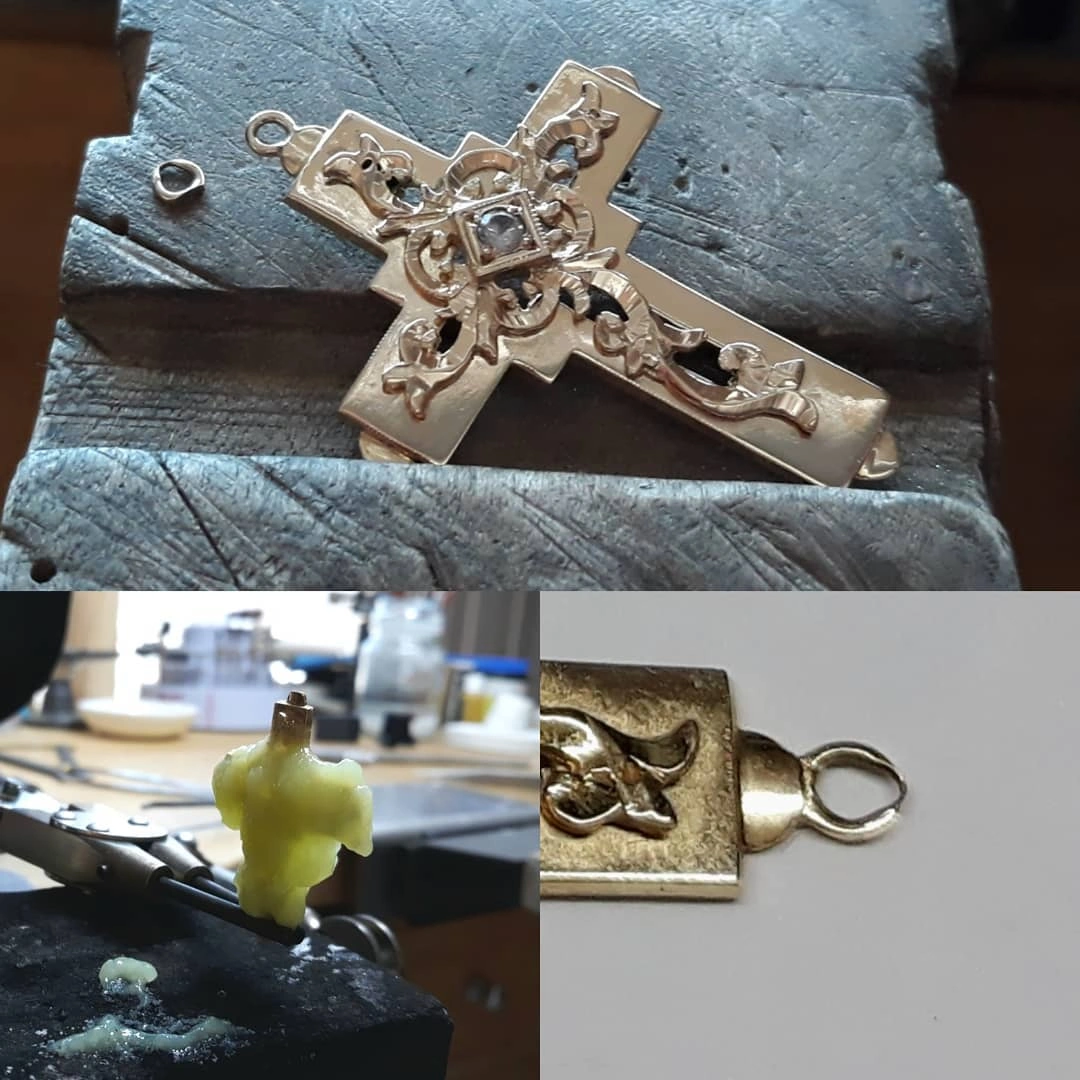

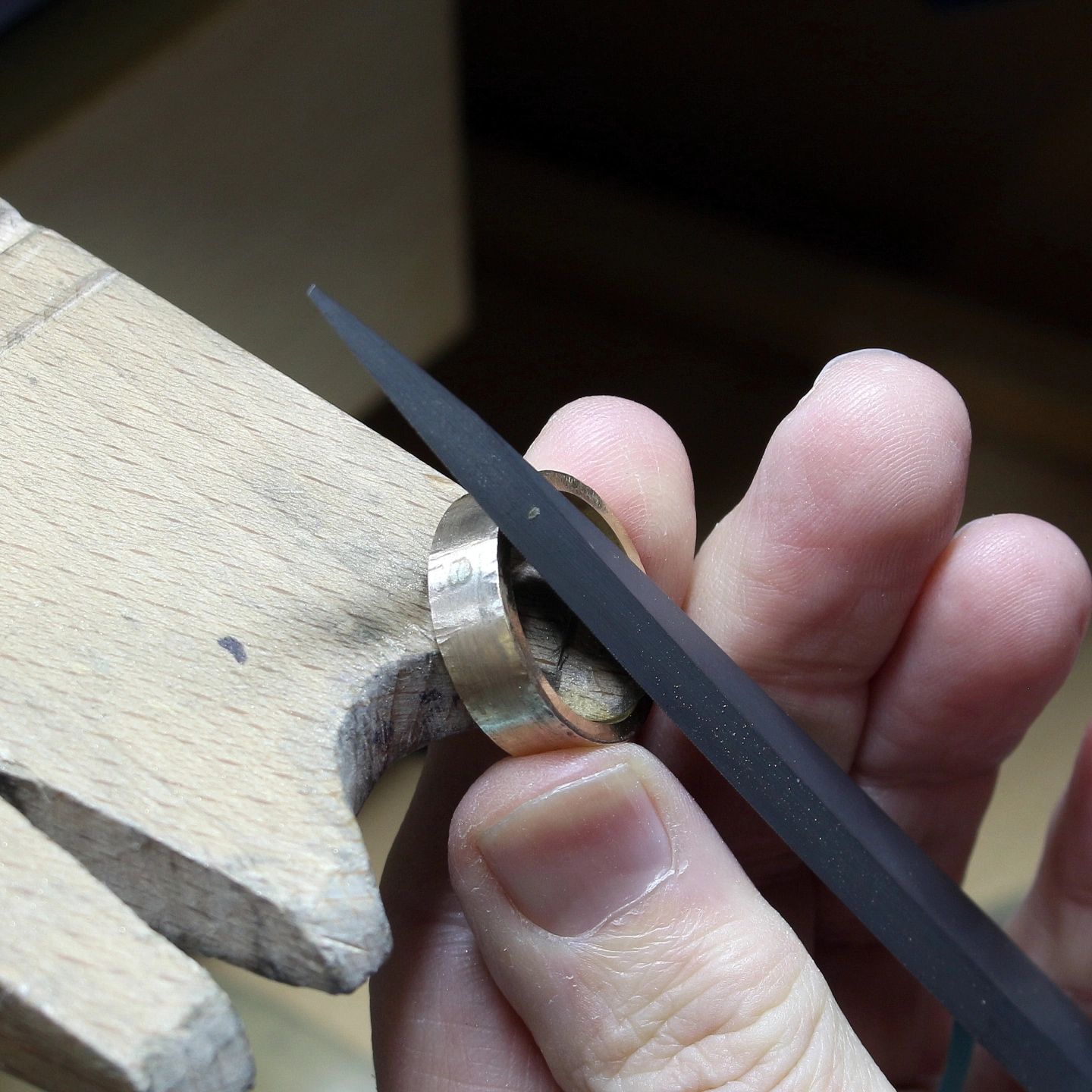
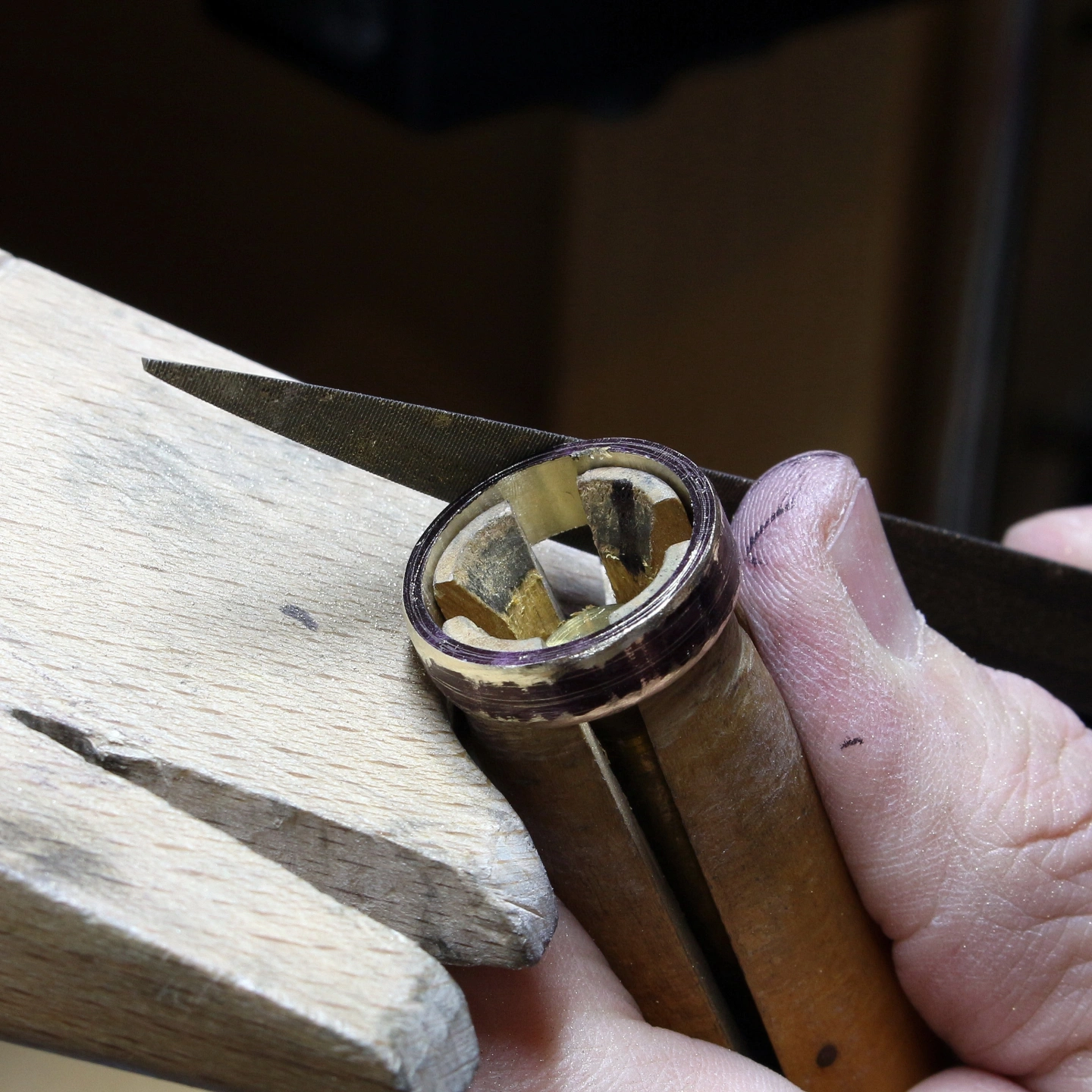
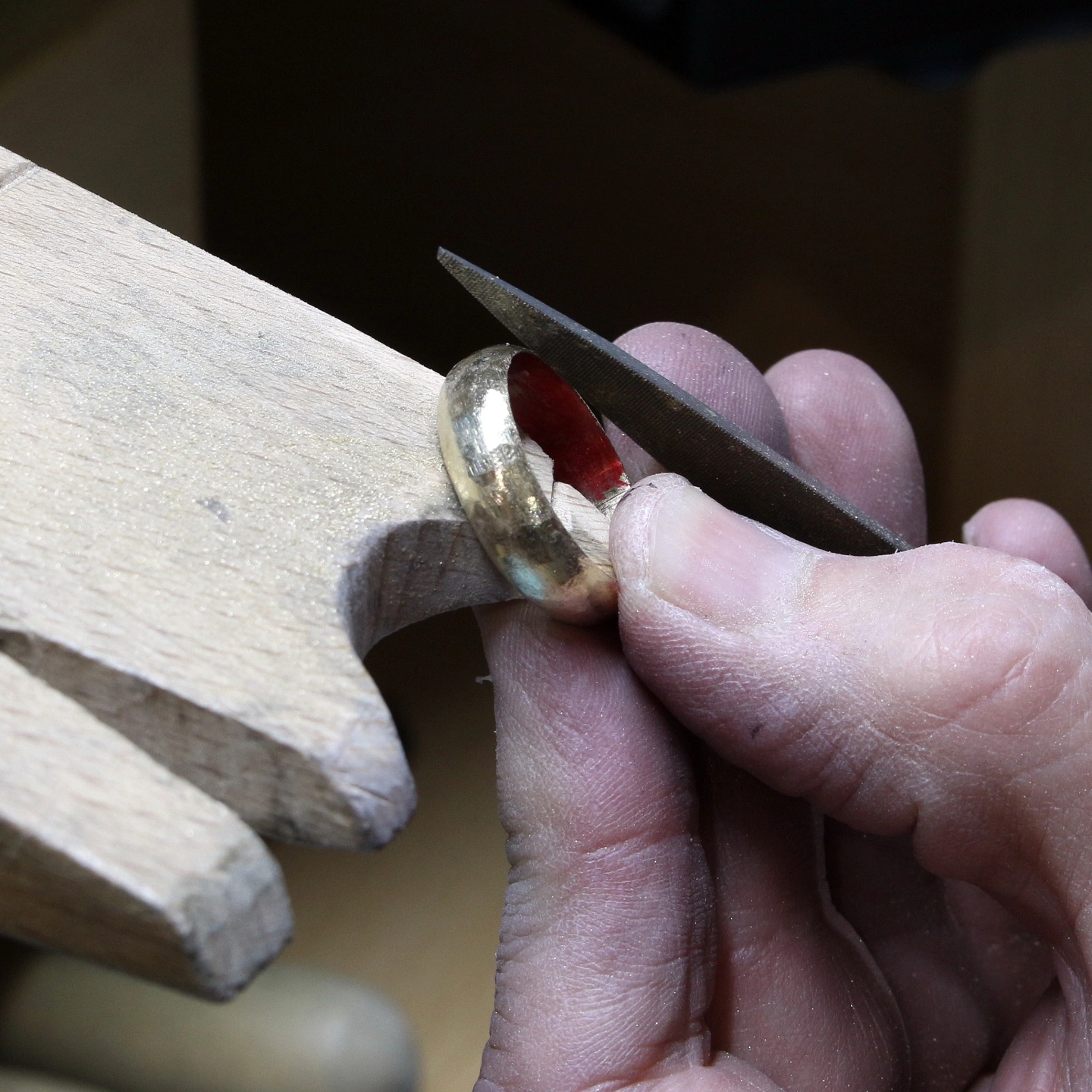
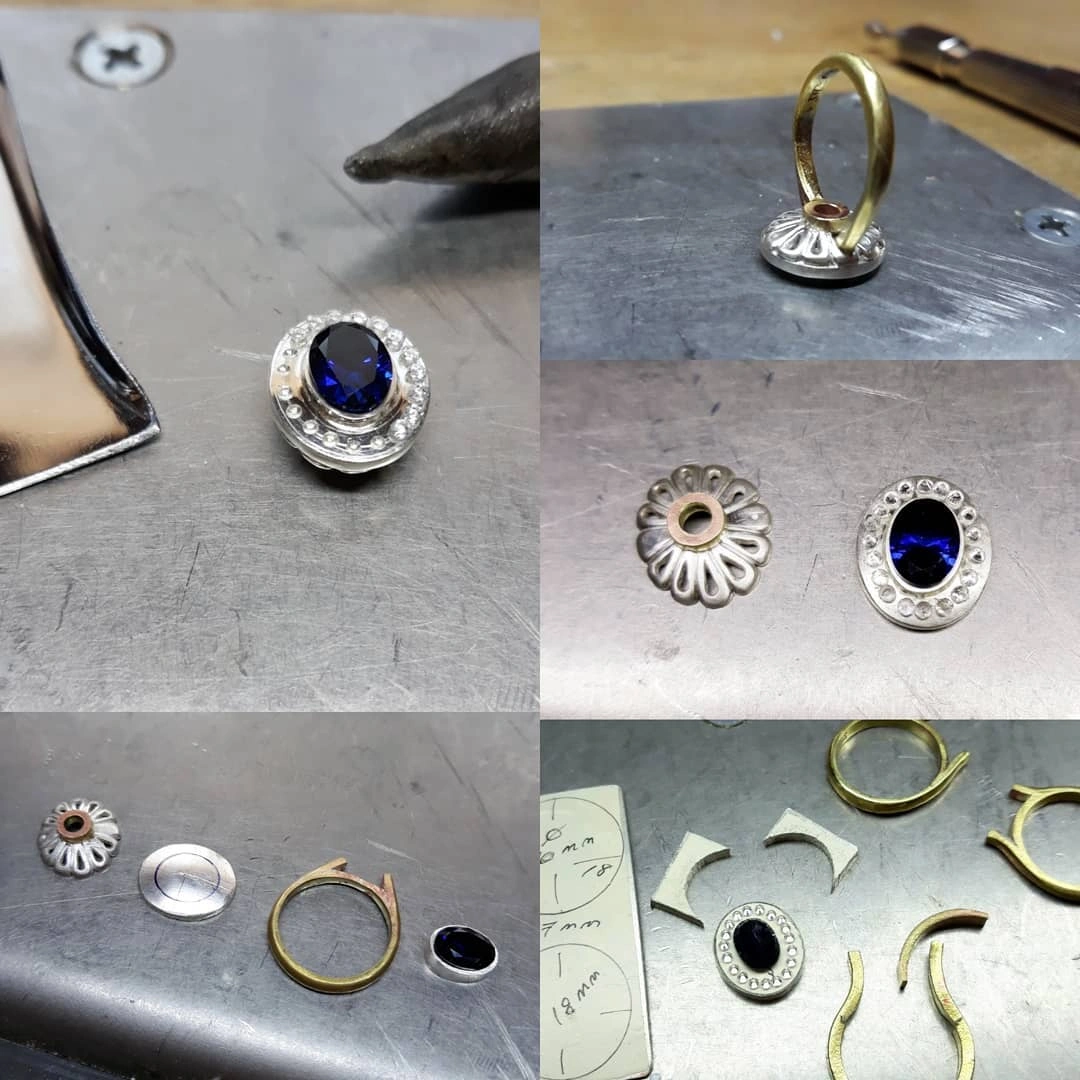
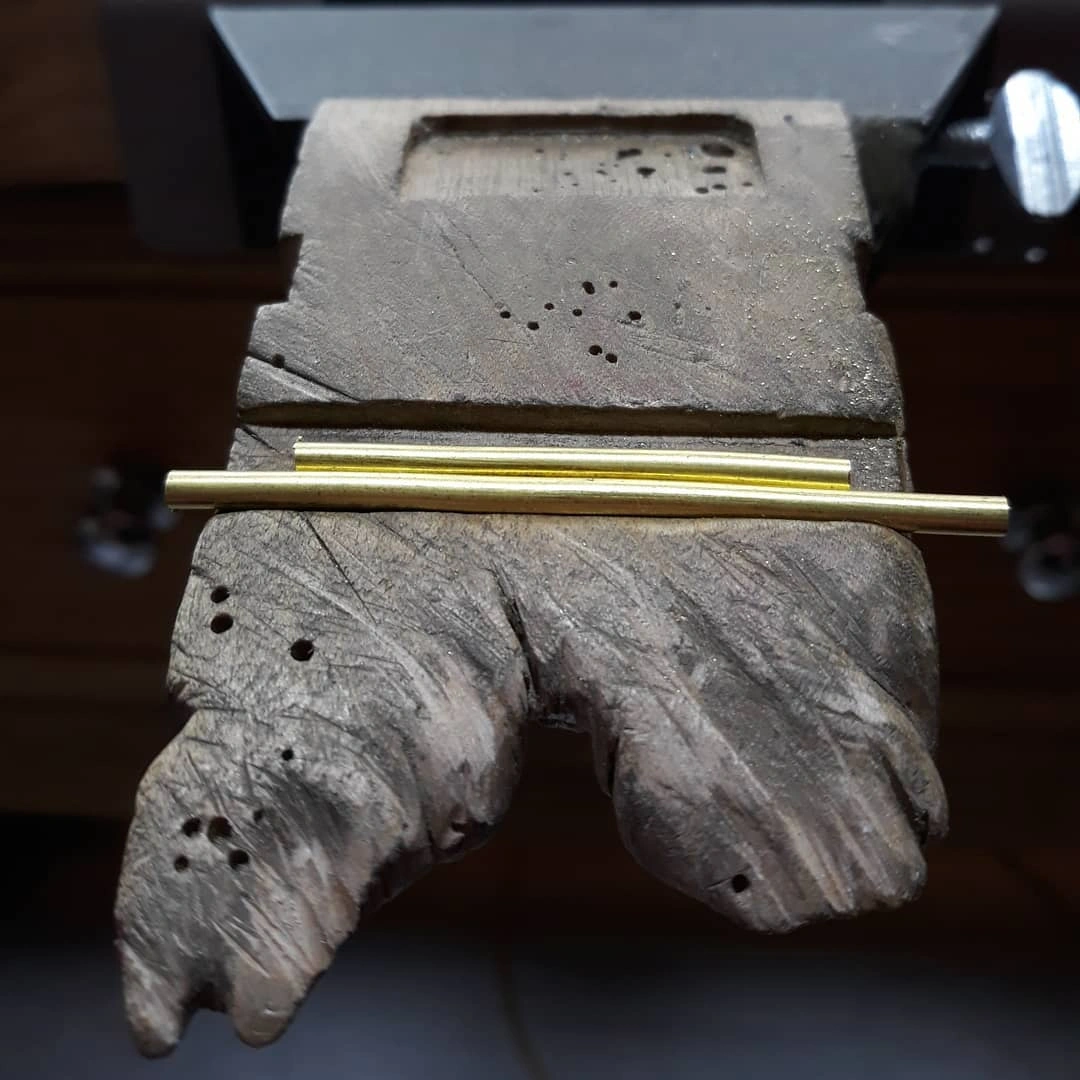
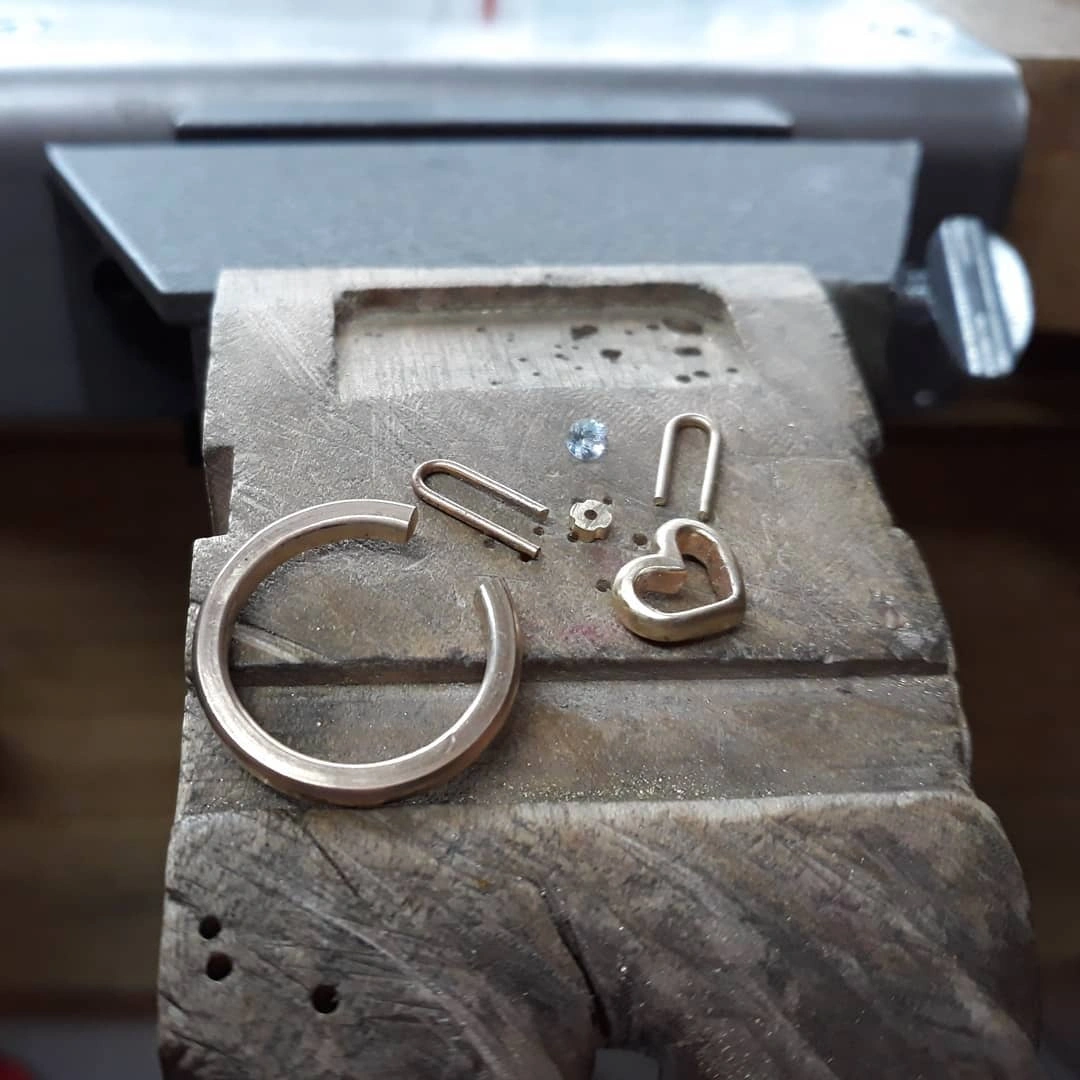
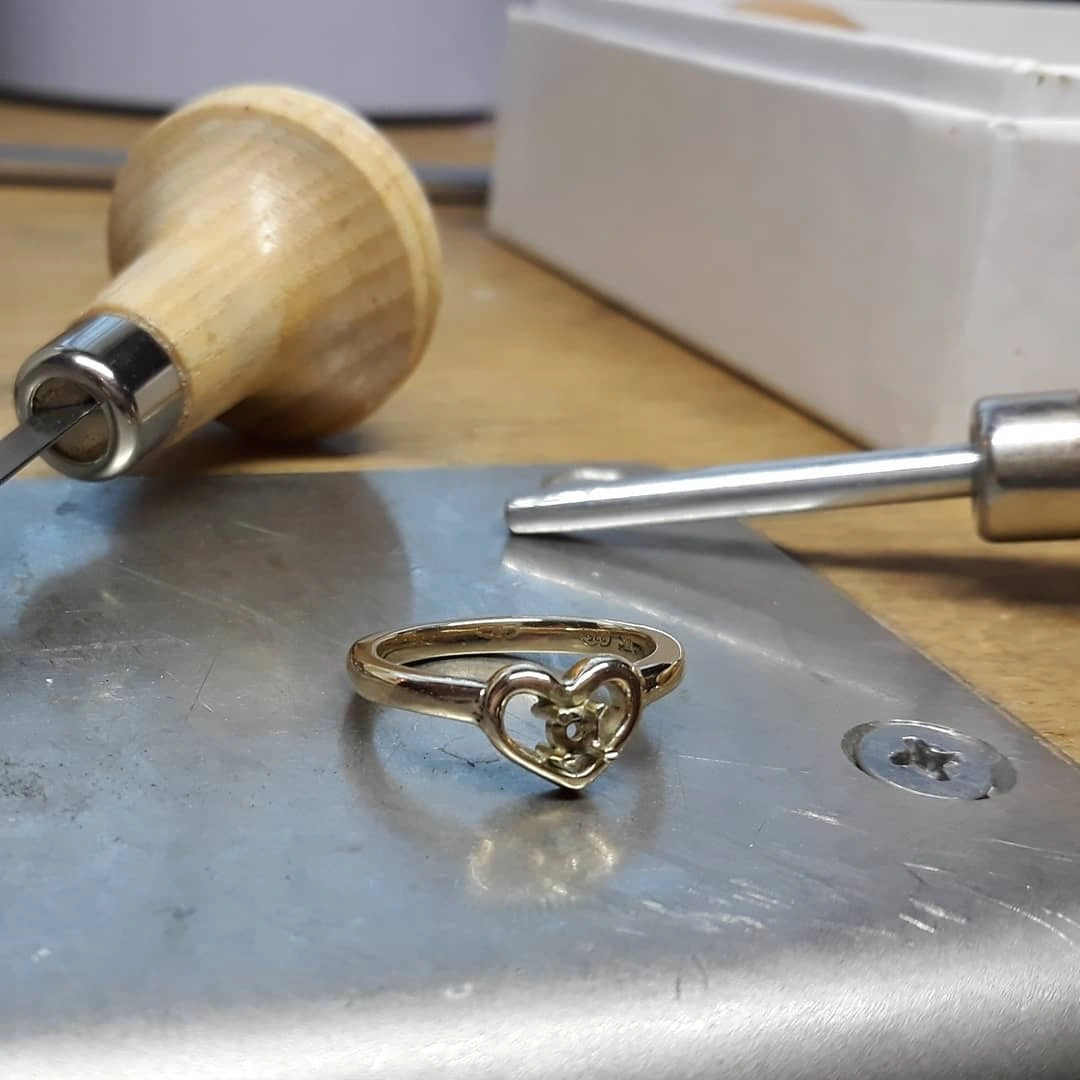
In the workshop





Contact Me
Address
Ballarat VIC, Australia
ABN
98908549298
Operating Hours
By Appointment Only
Testimonials
Jewellery Education

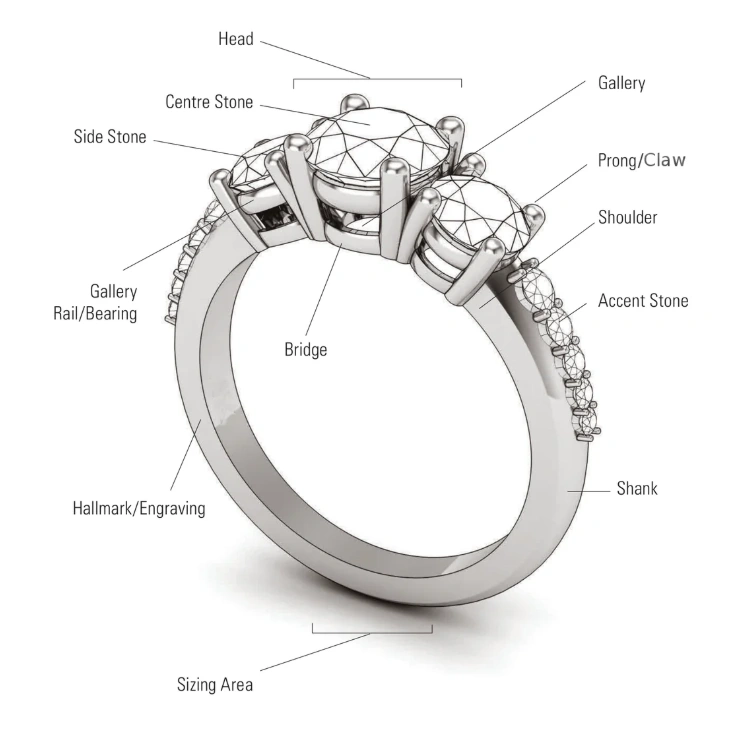
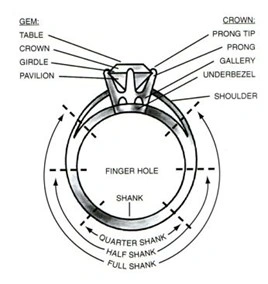
Rings
Useful ring information.
NOTE: Images are not to scale.

Some Thoughts
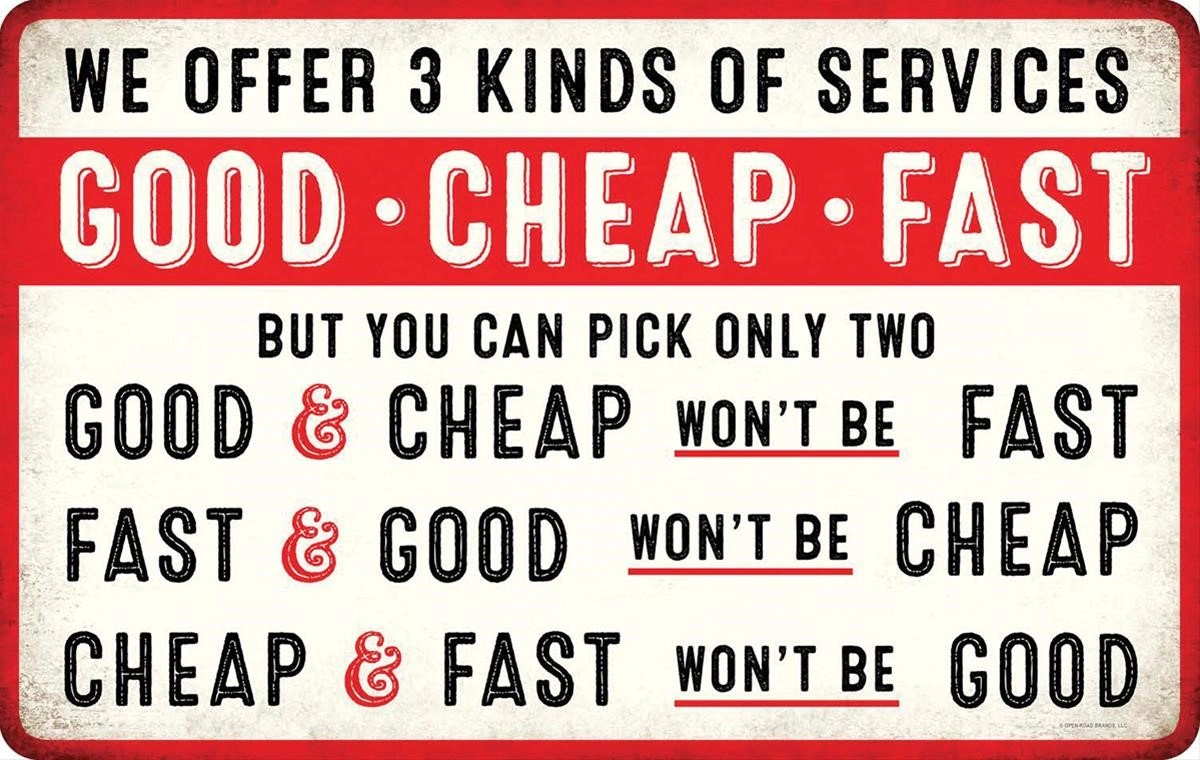
Just some thoughts when making or purchasing jewellery.
Frequently Asked Questions
General common frequent questions asked.
~
Disclaimer
The following information consists of general, commonly known answers to frequently asked questions within the jewellery industry. While common sense should always be applied, any concerns should be further researched and professional jewellery advice should be sought. The advice provided here is widely accepted throughout the industry. However, I take no responsibility for any actions taken based on this guidance. All advice is followed at your own risk.
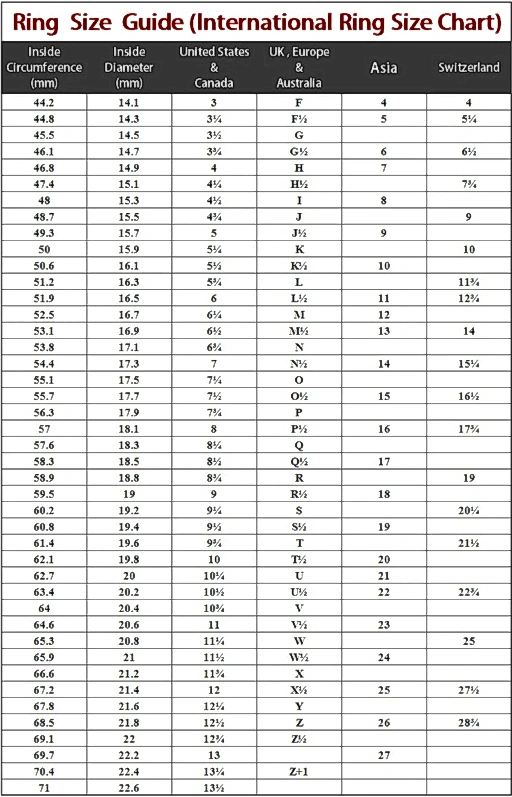
There are different international ring sizing conventions. Many jewellers base their sizing on US ring sizes, where others base on EU ring sizes.
In Australia, we should be basing ours on UK ring size standards, as this has been the accepted jewellery standard for a very long period of time.
Furthermore, depending on what ring mandrels a jeweller works with, this may differ to other jewellers.
At WSJewellery, I have three ring mandrels which are all proven the same. I have measured each to 'Australian/UK Standards' and are correct. If I need to purchase another ring mandrel, i will take my studio ring mandrel to the supplier and make sure my purchase is calibrated.
Generally, you should have your jewellery checked every year, depending on use.
The gemstones will be checked to see if loose and also the metal to see if any cracks or defects.
This will ensure you do not loose precious gemstones and possibly negate any future expensive repairs or replacements.
Generally, you should remove your jewellery when washing dishes, swimming and another activity that may damage the jewellery or harm yourself.
Many people loose rings and other jewellery at the beach and down sinkholes.
Many aggressive dish washing solutions and salt can cause corrosion, tarnish, and pitting to the metal and possibly the gemstone.
Always, remove jewellery when using machinery, even in the kitchen. Jewellery can get caught in rating machinery that may injure yourself or break the jewellery.
It really depends on the jewellery piece and gemstone.
If greatly marked or scratched, you may need to have a jeweller who can buff & polish it with special tools.
Buffing uses abrasive material to remove marks & scratches and is generally done before polishing. Polishing removes no metal, but moves the molecules to a shiny lustre. Buffing too aggressively can thin the metal, but sometimes maybe required to remove a deep mark. Speak to the jeweller to ensure the best results that suit you.
Sometimes over many years, dead skin forms under the gemstone setting and may require a jeweller to remove this. Normally this black material is mistaken for general dirt.
If you want to clean your jewellery at home, many jewellers recommend immersing the jewellery in lukewarm water in a small bowl, with a touch of mild solution of dish washing liquid. Let it sit for a couple of hours and then use a very soft toothbrush (a child's toothbrush is ideal) and gently brush. Then let the jewellery sit for a while to dry and air. Be careful not to brush too aggressively. Also, be careful with soft gemstones.
Some people use toothpaste and although may work somewhat, be careful as toothpaste is abrasive and can scratch a gemstone and/or the metal. Generally, toothpaste can remove tarnish, however it is strongly advised to seek the advice of a bench jeweller.
I would recommend speaking to a bench jeweller or silversmith or goldsmith first.
I have known people who have taken their jewellery to highly reputable jewellery retail stores and had a salesperson Ultrasonic clean their jewellery, only to discover the gemstones were left with pitted surfaces.
Ultrasonic Machines have different wave frequencies. The cheaper the unit, the less aggressive it is and if using a cheap unit, you a better cleaning it yourself ... (See FAQ above best way to clean).
Gemstones have a hardness level, based on the 'Mohs Scale Chart' and lists general hardness limits for gemstones in certain conditions, like Steaming, Acid, Ultrasonic, Torch, etc. (i.e. a true diamond has a Mohs Scale of 10/10, yet a Precious Topaz although 8/10 states Ultrasonic 'fair/never').
Not all rings can be resized.
Depending on the condition of the ring, the gemstone setting and engraving, some rings will require much work.
Some rings may require the gemstones to be removed and reset.
Some engraved will be lost or distorted.
Depending on the Gemstone setting and the amount of resize, if decreasing - the gemstone claws may bend inward and if increasing the resize - the gemstone claws may spread out. Both may result in disfigurement or gemstones becoming loose or unlevel.
Yes and No.
In the past without laser welders, jewellers could not.
However nowadays with laser welders, it is possible in many cases.
It really depends how sentimental the jewellery is.
In some cases, it is cheaper to start all over again with new metal. You can still use the same gemstones though.
Many bench jewellers simply melt the jewellery with solder not removed, which is incorrect. Melting gold without removing each solder joint will decrease the metal purity.
If solder and gemstones are to be removed, this may impact on the price.
If making a new piece in a different design, more metal may need t be purchased.
In addition, depending on where the metal has been manufactured, not all yellows, pinks and reds are the same.
In Australia 2025, the average cost of ring resizing ranges from $75 to $200 and possibly more, depending on the purity of the metal and complexity of the resizing.
Rhodium plating is performed like gold plating.
It is generally performed on white gold.
Some white gold has a natural yellow look to them. Regular rhodium plating ensures a brighter white look.
If not replated, the yellow can seep through the plating, this is called 'Gold Bleed'.
This can vary between jewellers, and they can depend on the item.
Rhodium Plating costs in Australia can vary from approximately $50 to above $250, with most prices between $80 and $180.
Rhodium plating should be performed generally every year depending on usage.
At WSJewellery, I use RHODUNA® PT ONE, RHODUNA® PT ONE which is an electroplating solution developed by Umicore that provides a bright, white, and durable rhodium-platinum alloy coating.
The best way is to attend to a professional jeweller, who will use a 'Band Ring Cutter'. A tool with a tongue that slides between your skin and the ring band. Attached to the tongue is a diamond wheel that when rotated starts to cut the band. The wheel does not separate from the tongue, ensuring safety.
Another method is to soap or oil your finger and try and rotate the ring loose.
Another as shown here on a YouTube may also work. Roberto Miki, MD ... an Orthopaedic hand surgeon in Miami, FL, USA. ... Ring Removal Trick with Dental Floss
Useful Links
Some useful links re standards and jewellery general information.
Definitions
(Art & Jewellery)
Art
The expression or application of human creative skill and imagination, typically in a visual form such as painting or sculpture, producing works to be appreciated primarily for their beauty or emotional power.
Jewellery
Personal ornaments, such as necklaces, rings, or bracelets that are typically made from or contain jewels and precious metal.
Usually, decorative objects worn on your clothes or body that are usually made from valuable metals, such as gold and silver, and precious stones.
Sculpture
Created through the sculpting process, which encompasses carving, chiselling, or hand-moulding materials such as stone or clay.
Any size and its subject can be anything, including people or abstract art concepts.
Statue
Statues can be sculpted, moulded, carved, or cast creations.
Usually at least life-size, with many being far bigger.
( Scroll down to see more ... )
(Jewellers)
Artisan
Worker in a skilled trade.
Especially one that involves making things by hand.
Usually based on effort, time, education & skill.
Bench Jeweller
A bench jeweller is an artisan who uses a combination of skills to make and repair jewellery.
Some of the more common skills that a bench jeweller might employ include antique restoration, silver smithing, gold-smithing, stone setting, engraving, fabrication, wax carving, lost-wax casting, electroplating, forging, and polishing.
Blacksmith
A person who makes and repairs things in iron by hand (i.e. Farrier).
Chain Store Jeweller
These retailers can always be counted on for consistent service and a similar product line in each location.
Can buy in bulk and distribute items to many stores at once, they are able to offer low prices and frequent discounts.
Their customisation options are low, and the selection may not include rare pieces such as Asscher Cuts, Multi-Tone Rings or Pave Settings.
Craftsman
Person who is skilled in a particular craft.
Not necessarily involves making things by hand.
Designer Jeweller
Fashion exclusive and often highly expensive designer rings, often from hard to acquire, rare stones such as coloured diamonds or large carat weights.
Their inimitable designs are unique and contemporary, though some designers do work to incorporate expected traditional elements into their work.
Many designers have boutiques only in fashion-conscious cities such as New York, Los Angeles, or Las Vegas, though other retailers may be licensed to carry designer merchandise, or it may be available online.
Independent Artisans
Independent merchants may be harder to find, but they frequently offer a much more unique selection of rings in addition to classic, timeless designs.
The downside is that the rings may be more expensive, though the high level of personalised service and customisation may make up for a higher price tag.
Small retailers stay in business through their excellent reputations, however, and couples who frequent these established merchants will find superior service and an excellent commitment to customer quality and satisfaction.
Jeweller
Person or company that makes or sells jewels or jewellery.
Goldsmith
A person who makes gold articles.
A person who forges things out of gold, especially jewellery.
Metalsmith
A person skilled in metalworking.
Online Jeweller
Reach a large consumer market without geographical constraints.
Online merchants may also have a larger available selection of rings, and because they do not typically maintain many physical stores, their overhead expenses are low, which helps keep the engagement rings affordable.
Silversmith
Usually, a person who makes silver articles.
Usually, a person who forges things out of silver, especially jewellery.
( Scroll down to see more ... )
(Workmanship)
Handmade
The American Heritage Dictionary defines as made or prepared by hand rather than by machine.
Made from raw materials and put together by hand.
May use a drill or engraver, but machine must be hand operated in the forming process.
Handcrafted
Far more accurate to describe handcrafting as ‘hand-finishing’.
Created from prefabricated parts, such as 'Findings', and then put together.
Using an automated machine to make a particular part, i.e. Lost Wax Casting, Rotating Lathe to make a ring band.
Bespoke
Bespoke jewellery is made exclusively for you.
It is uniquely designed from an idea that will never be repeated.
Designed from an idea and will be made exclusively for you.
Custom
The process of building a piece of custom-made jewellery involves taking a piece of a mass-produced style of jewellery and adapting its components to add a touch of personalisation to it.
One can add personal touches to the metals, pearls, gemstones, etc., of the jewellery piece as per their personal colour preferences.
Custom-made jewellery is the same as selecting your options for a new car. The car will be a mass-produced design, but you get to choose your extras.
When building a custom engagement ring, you get to choose from a selection of ring mounts and precious metals then add a standard sized diamond of your choice.
Fabricated
Process of constructing products by combining diverse, typically standardised parts.
Combining different parts to form a finished product.
Manufactured
Taking raw materials and putting them through a process to create a finished product.
Redesign
Design … (something) again in a different similar way.
Remake
Make … (something) again in a different similar way.
Remodel
Shape (a figure or object) differently.
Where using your old jewellery to create something brand new OR recreate an old piece of jewellery to give it a new life.
Repairs
Restore (something damaged, faulty, or worn) to a good condition.
If an item is to be repaired, then most of the item is still good and only some parts of the item needs attention.
Restorations
Usually meant for the whole item.
Bring back or re-establish previous design & condition.
If an item is to be totally repaired and not just part of it, then it is considered restored.
~
Buffing
Is performed before polishing.
Buffing is an abrasive process where a small amount of the surface is removed. It will remove minor scratches left after sanding and smooths the surfaces, however it will not produce a bright polish.
Accomplished through a abrasive compound supplied to spinning wheels.
Buffing removes a thin layer of metal to remove surface marks like scratches. Overworking, with excessive pressure, or improper techniques can cause the material to be thinned or even burnt, but when done correctly with appropriate tools and pressure, buffing smooths and restores a surface without causing massive thinning.
Polishing
Is performed after buffing.
Involves the use of finer and harder compounds, and it does not rely on removing metal.
Rather, it burnishes and “moves” surface molecules around to achieve the highest lustre.
The use of pressure when polishing leads to frictional heat, which forces surface molecules into highly compact and reflective layer to minute crystals.
Put into practice, this means after buffing you should apply enough pressure to produce heat.
( Scroll down to see more ... )
(Your Jewellery)
Carat
Generally, in Australia and United Kingdom, Carat is used for both the gemstone weight and the purity of gold.
e.g. Metals … 18 ct / 18 c = 18 carats of gold
e.g. Gemstones … 1 carat = 0.2 grams … A one-carat diamond might be around 6.5 mm, while a one-carat sapphire could be 6.0 mm.
Karat
Generally, in the United States of America, used for the purity of gold.
Yet, in the United States of America, for the gemstone weight, Carat is used.
e.g. Metals … 18 k / 18 kt = 18 karats of gold.
e.g. Gemstones … 1 carat = 0.2 grams … A one-carat diamond might be around 6.5 mm, while a one-carat sapphire could be 6.0 mm.
Bezel Setting / Collet Setting / Rub Over Setting
A `Bezel Setting` otherwise known as a ‘Collet Setting’ or a ‘Rub Over Setting’, this technique embeds the gemstone into the piece.
Perhaps the safest way of setting a stone, as your diamond or gemstone will be secured nicely, fitted into a small metal cup. The rim of the cup holds the gemstone in place; it is then soldered to the rest of the piece.
Claw settings / Prong Setting / Collet Setting / Wire Basket Setting
`Claw Setting` are also known as ‘Prong Setting`, `Collet Setting` and ‘Wire Basket Setting`.
Most popular styles of settings for engagement rings.